Category Archives: Breast Cancer

DCIS: Mostly good news

By Diana Zuckerman, Ph.D.

Thanks to widespread use of and technical improvements to screening mammography, there has been a dramatic increase in women diagnosed with ductal carcinoma in situ (DCIS), which is also called Stage 0 breast cancer.  DCIS accounts for 20-25% of new breast cancer cases diagnosed each year.1 The National Cancer Institute no longer refers to DCIS as breast cancer.

It’s important for doctors to do a better job of explaining DCIS to patients, because the number of cases of DCIS has increased by 750% over the last two decades.  This has resulted in thousands of women being upset by a DCIS diagnosis that in many cases frightened them as much as a diagnosis of invasive breast cancer would have.

This epidemic is good news and bad news

The epidemic seems like good news because it means that a lesion that can cause breast cancer is being diagnosed very early, before it is life-threatening and before the radical treatments that women most dread (mastectomy and chemotherapy) are necessary. It is bad news because many women are not fully informed or do not clearly understand the difference between DCIS and invasive cancer, and as a result of their fear of cancer, many undergo mastectomies that are not medically necessary.

Standard treatment for DCIS is mastectomy or lumpectomy with radiation.  Sometimes patients also have hormonal treatment. In most cases, lumpectomy with radiation is as safe and effective as mastectomy or bilateral mastectomy.  And the latest research suggests that for most women, being treated for DCIS instead of waiting to be treated for breast cancer is not saving lives.2

A diagnosis of DCIS means that cancerous cells were found in the lining of the breast duct, and will not spread.  The fact that DCIS can’t spread means that it is not harmful to patients.  However, DCIS can change to Stage 1 breast cancer, which can spread and can be fatal. DCIS is much less dangerous than other breast cancers, but patients are frightened by a diagnosis of cancer, often resulting in over-treatment.

Is it necessary to have any kind of treatment for most types of DCIS?  Some women choose not to get any treatment.  That used to be considered risky because it was difficult to predict if DCIS would ever change to breast cancer or not.  However, as experts have learned to diagnose the most risky types of DCIS, experts in the field are now encouraging some women to consider not undergoing treatment, or considering hormonal treatment instead of surgery.

Although early detection of breast cancer can save lives, DCIS is not life-threatening the way  invasive breast cancer can be, and so the benefits of detecting it is controversial.

Unfortunately, many women diagnosed with DCIS undergo unnecessarily radical surgery and treatment. Over-treatment is expensive and can be harmful and debilitating to patients and their loved ones. And, when women diagnosed with DCIS undergo mastectomies just like women with later-stage breast cancer, it may discourage other women from having regular mammograms, since there seems to be no noticeable benefit to early diagnosis.

At a DCIS conference at the National Institutes of Health (NIH) in 2009, experts concluded that breast-conserving surgery is as safe and effective as mastectomy, although mastectomy is more likely to be recommended if the DCIS is in more than one location in the breast. Combining radiation therapy with lumpectomy helps prevent recurrence and the development of invasive breast cancer, and other hormonal treatment is sometimes used in combination with one of these surgical treatments. According to the NIH, the long-term disease-free survival of women treated for DCIS is between 96% and 98%. Despite the high survival rate, the NIH concluded that the “current diagnosis and treatment of DCIS have considerable emotional and physical impact for women diagnosed” making it important “for the medical community to consider eliminating the inclusion of the term ‘carcinoma’ in this disease, as DCIS is by definition not invasive—a classic hallmark of cancer.”

Research published in 2015 reported that the death rate for women with DCIS is very low – about 3% over the next 20 years after diagnosis, compared to about 1.5% for the general population of women.3 However, the risks are higher for black women with DCIS than for white women.

Low-income women with DCIS have been more likely to undergo mastectomy instead of breast-conserving surgery with radiation, compared to higher income women with the same diagnosis. One possible explanation for this is that mastectomy is less expensive than lumpectomy with radiation in the short-term. Treatment choices are often more influenced by the information a woman has about DCIS and her understanding or confusion regarding that information, rather than her actual diagnosis.4 Physicians’ recommendations are the most influential factor in a woman’s treatment choice.5

Tackling the DCIS Epidemic

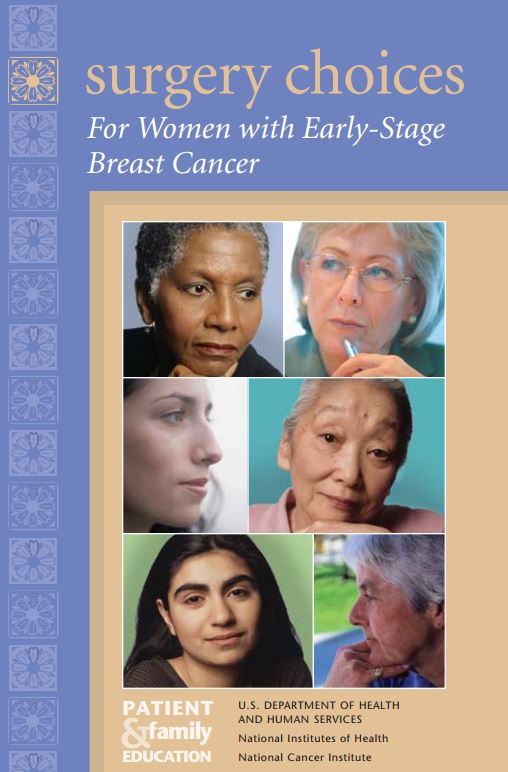
The Cancer Prevention and Treatment Fund of the National Center for Health Research has worked on the forefront of patient education on this issue.  We have also educated health professionals through a popular continuing medical education course. Several years before the NIH Consensus Conference, we received federal grants to convene two conferences at NIH for experts to discuss the most effective treatment options for early-stage breast cancer and DCIS, as well as how to improve patients’ understanding of their treatment options. The result of these meetings was a patient booklet for women with several different types of early-stage breast cancer, developed by our Center in partnership with the National Cancer Institute and NIH, and the NIH Consensus Conference on DCIS.

With support from the Jacob and Hilda Blaustein Foundation, we developed a free patient booklet for women with DCIS.

The Benefits of Exercise After Getting Cancer

Farmin Shahabuddin, MPH, Morgan Wharton and Annika Schmid, Cancer Prevention and Treatment Fund


You may have heard that regular exercise can reduce your risk of developing cancer, but did you know it’s also good for cancer patients who are undergoing or have completed treatment?

Is Exercise Good for Everyone with Cancer?

Exercise has proven benefits for cancer patients, ranging from improved fitness and higher quality of life to reduced rates of recurrence and a longer life. What we know about exercise and cancer mostly comes from studying patients with breast or colon cancer, but there is now evidence that there are benefits of exercise for men and women suffering from almost all types of cancer, even cancer as advanced as Stage III. [1, 2]

The best news of all: It doesn’t matter if you were fit before you got diagnosed.[1, 3, 4] A 2026 study found the following finding: lung and rectal cancer survivors who were inactive before their diagnosis but became active enough to meet physical activity guidelines afterward were still 42% and 49% less likely to die from their cancer, respectively, compared to those who remained inactive both before and after diagnosis.[5] So, it’s never too late to start exercising to fight cancer. If you’re coping with cancer or its aftermath, now is the time.

How Does Exercise Help Cancer Patients?

Many studies have shown that exercise is beneficial to cancer patients, but no one is sure exactly why. Earlier studies suggested that exercise may help women avoid breast cancer or a recurrence of it by decreasing female hormones that feed cancer in the breast [6,7] or by lowering inflammation in the body [8] , a suspected contributor to many diseases.

Physical Benefits of Exercise for Cancer Patients

Studies have shown that in cancer patients, exercise during or after treatment reduces fat and improves body mass index (BMI). [9, 10] Exercise lowers blood pressure, boosts the immune system, and increases bone mineral density. [10, 11] Denser bones mean fewer fractures.

Not surprisingly, cancer patients who exercise regularly during and after treatment reported increases in strength, walking ability, aerobic capacity, and flexibility. [9, 10]

Cancer patients who had completed treatment reported fewer negative side effects from treatment once they began to exercise regularly.[2] Patients who exercised during treatment reported less nausea and less difficulty sleeping.[10] The most reported improvement was reduced fatigue. [4, 10, 11]

A study published in 2021 indicates that exercise may also help relieve “chemo brain” (also known as chemo fog), which is a common side effect for cancer patients undergoing chemotherapy.[12] Common symptoms of chemo brain are having trouble with learning new tasks, remembering names, paying attention, and concentrating. The study found that patients who did either 2.5–5 hours of moderate intensity exercise (like brisk walking) per week or who did 1.5–2.5 hours of high intensity exercise (such as running) per week in the week before starting chemotherapy, within 1 month of completing chemotherapy, and 6 months after completing chemotherapy were less likely to report “chemo brain” symptoms than patients who did not exercise. Chemo brain can be upsetting and debilitating, affecting more than 75% of breast cancer patients undergoing chemotherapy, for example.

Mental and Emotional Benefits

In addition to the physical health benefits of exercise, cancer patients who exercised also reported improved mental and emotional well-being.[9] Patients who exercised during treatment and those who began to exercise afterwards frequently reported an increase in quality of life, less anxiety, and a renewed “fighting spirit.”[10] Cancer patients over the age of 80 who exercised regularly during their weeks or months of treatment reported less loss of memory.[13]

Long-Term Survival and Reducing Cancer Recurrence

Because exercise improves the immune system, cancer patients who exercise regularly lower their risk of the cancer returning. [1, 9, 11, 14] Patients who exercise are less likely to die from cancer and are more likely to live longer than patients who don’t exercise.

A large 2026 study combining data from six major long-term research projects followed more than 17,000 cancer survivors for an average of nearly 11 years after diagnosis to examine the survival benefits of moderate to vigorous physical activity. The activities included brisk walking, cycling, or swimming, and the patients had been diagnosed with bladder, endometrial, lung, oral cavity, ovarian, or rectal cancer. Current guidelines suggest that people with a history of cancer should aim for 150 to 300 minutes of moderate intensity or 75 to 150 minutes of vigorous intensity aerobic physical activity per week.[5]

The study found that even less than the standard recommended guidelines of physical activity seemed beneficial. For example, bladder cancer survivors who exercised were 33% less likely to die from their cancer, endometrial cancer survivors were 38% less likely, and lung cancer survivors were 44% less likely, compared to those who did no physical activity. Oral and rectal cancer survivors who doubled the amount of activity that was in the recommended guidelines were 61% less likely to die of oral cancer and 43% less likely to die of rectal cancer.[5]

A 2022 study found that cancer survivors who exercise and do not sit 8 or more hours a day live longer than less active cancer survivors.[15] The study followed over 1,500 cancer survivors ages 40 and over for an average of 4.5 years. The researchers found that those who exercised at least 150 minutes per week were less likely to die (of cancer or anything else) than people who did not report exercising. Survivors who reported sitting for more than 8 hours a day were also more likely to die than those who reported sitting less than 4 hours per day, and survivors who reported both a lack of exercise and sitting more than 8 hours per day were the most likely to die of all the survivors studied.

A 2020 study of 8,002 Black and white adults aged 45 and older in the U.S. examined whether sitting for long periods of time increases the chances of dying from cancer.[16] Each participant wore a hip-mounted device, like a fitness tracker, for 7 consecutive days to measure how much time they spent sitting versus being physically active. Over an average follow-up of about 5 years, 268 participants died of cancer. People who spent the most time sitting were more likely to die from cancer compared to those who sat the least. People who replaced just 30 minutes of sitting per day with moderate to vigorous physical activity had a 31% lower chance of cancer death. In fact, people who swapped that sitting time for light activity like standing or gentle walking were 8% less likely to die. This shows that the total amount of time spent sitting matters in addition to the time spent exercising, so cancer survivors should try to sit less and move more throughout the day.

What Kind of Exercise Should I Do?

Aerobic activity of light to moderate intensity was the most common type of exercise in the studies of cancer patients. [1, 9] Combining aerobic exercise with walking and resistance training (such as weightlifting or using resistance bands) led to greater health benefits than aerobic activity alone. [9, 11]

Walking can improve the health of cancer patients. Studies estimate that the greatest benefit from walking is seen in patients who walk at an average speed (a 20-minute mile) for 3–5 hours weekly.[2] Patients who walked just 1 hour per week, regardless of walking speed, showed improvements over the group of patients who reported no physical activity in a week.

To get the most out of exercise, you need to make it a habit—something you commit to for the long-term. That’s why it is better to start small, with easily achievable changes like using the stairs regularly instead of the elevator or walking each evening after dinner. Remember to set realistic goals, because it is better to start small and keep it up than to try to do too much and give up. Don’t miss the chance to get at least some benefit from this easy, free strategy to fight cancer.

The Bottom Line

Exercise helps individuals who are undergoing cancer treatment and those who have completed cancer treatment. Cancer patients who exercise regularly during and after treatment can expect fewer side effects from treatment, including less fatigue, fewer problems with concentration and memory, and better overall fitness and health. Patients who exercise are less likely to experience a return of cancer in the future and are more likely to live longer, healthier lives.

You should try to walk at least 3 to 5 hours a week at an average pace (about 1 mile per 20 minutes). Even minimum exercise, like walking one hour per week, can improve the health of cancer patients who have completed treatment, compared to cancer patients who do not exercise at all. The benefits from exercise can be seen in all cancer patients regardless of whether they exercised regularly before they were diagnosed with cancer. It’s never too late to begin to exercise and improve your health!

References

  1. Jeffrey A. Meyerhardt, D.H., Donna Niedzwiecki, Donna Hollis, Leonard B. Satz, Robert J. Mayer, James Thomas, Heidi Nelson, Renaud Whittom, Alexander Hantel, Richard L. Schilsky, and Charles S. Fuchs, Impact of physical activity on cancer recurrence and survival in patients with stage III colon cancer: Findings from CALGB 89803. Journal of Clinical Oncology, 2006. 24(22): p. 3635-3541.
  2. Michelle D. Holmes, W.Y.C., Diane Fesknich, Candyce H. Kroenke, Graham A. Colditz, Physical activity and survival after breast cancer diagnosis. Journal of the American Medical Association, 2005. 293(20): p. 2479-2486.
  3. Jeffrey A. Meyerhardt, E.L.G., Michelle D. Holmes, Andrew T. Chan, Jennifer A. Chan, Graham A. Colditz, and Charles S. Fuchs, Physical activity and survival after colorectal cancer diagnosis. Journal of Clinical Oncology, 2006. 24(22): p. 3527-3534.
  4. Margaret L. McNeely, K.L.C., Brian H. Rowe, Terry P. Klassen, John R. Mackey, Kerry S. Courneya, Effects of exercise on breast cancer patients and survivors: A systematic review and meta analysis. Canadian Medical Association Journal, 2006. 175(1): p. 34-41.
  5. Rees-Punia E, Teras LR, Newton CC, et al. Leisure-Time Physical Activity and Cancer Mortality Among Cancer Survivors. JAMA Netw Open. 2026;9(2):e2556971. doi:10.1001/jamanetworkopen.2025.56971
  6. Key T, Appleby P, Barnes I, Reeves G. Endogenous sex hormones and breast cancer in postmenopausal women: reanalysis of nine prospective studies. J Natl Cancer Inst. Apr 17 2002;94(8):606-616.
  7. McTiernan A, Tworoger SS, Ulrich CM, et al. Effect of exercise on serum estrogens in postmenopausal women: a 12-month randomized clinical trial. Cancer Res. Apr 15 2004;64(8):2923-2928.
  8. Friedenreich CM, Neilson HK, Woolcott CG, et al. Inflammatory Marker Changes in a Yearlong Randomized Exercise Intervention Trial among Postmenopausal Women. Cancer Prevention Research. January 1, 2012 2012;5(1):98-108.
  9. Daniel Y T Fong, J.W.C.H., Bryant P H Hui, Antoinette M Lee, Duncan J Macfarlane, Sharron S K Leung, Ester Cerin, Wynnie Y Y Chan, Ivy P F Leung, Sharon H S Lam, Aliki J Taylor, Kar-keung Cheng, Physical activity for cancer survivors: Meta analysis of randomised controlled trials. British Medical Journal, 2012. 344(70).
  10. Ruud Knols, N.K.A., Daniel Uebelhart, Jaap Fransen, and Geert Aufdemkampe, Physical exercise in cancer patients during and after medical treatment: A systematic review of randomized and controlled clinical trials. Journal of Clinical Oncology, 2005. 23(16): p. 3830-3842.
  11. Rosalind R. Spence, K.C.H., Wendy J. Brown, Exercise and cancer rehabilitation: A systematic review. Cancer Treatment Reviews, 2009. 36: p. 185-194.
  12. Elizabeth A. Salerno, Eva Culakova, Amber S. Kleckner, Charles E. Heckler, Po-Ju Lin, Charles E Matthews, Alison Conlin, Lora Weiselberg, Jerry Mitchell, Karen M. Mustian, Michelle C. Janelsins. Physical Activity Patterns and Relationships With Cognitive Function in Patients With Breast Cancer Before, During, and After Chemotherapy in a Prospective, Nationwide Study. Journal of Clinical Oncology. 2021. https://ascopubs.org/doi/full/10.1200/JCO.20.03514.
  13. LK Sprod, S.M., W Demark-Wahnefried, MC Janelsins, LJ Peppone, GR Morrow, R Lord, H Gross, KM Mustian, Exercise and cancer treatment symptoms in 408 newly diagnosed older cancer patients. Journal of Geriatric Oncology, 2012. 3(2): p. 90-97.
  14. Barbara Sternfeld, E.W., Charles P. Quesenberry, Jr., Adrienne L. Castillo, Marilyn Kwan, Martha L. Slattery, and Bette J. Caan, Physical activity and risk of recurrence and mortality in breast cancer survivors: Findings from the LACE study. Cancer Epidemiology, Biomarkers & Prevention, 2009. 18(1): p. 87-95.
  15. Cao, C, Friedenreich, CM and Yang L. Association of Daily Sitting Time and Leisure-Time Physical Activity With Survival Among US Cancer Survivors. JAMA Oncology, January 6, 2022 online, https://jamanetwork.com/journals/jamaoncology/article-abstract/2787951.
  16. Gilchrist SC, Howard VJ, Akinyemiju T, Judd SE, Cushman M, Hooker SP, Diaz KM. Association of Sedentary Behavior With Cancer Mortality in Middle-aged and Older US Adults. JAMA Oncology. 2020;6(8):1210–1217.

Prophylactic or optional mastectomies

Diana Zuckerman, PhD, and Brandel France de Bravo, MPH

Every year, thousands of women choose to undergo a mastectomy (surgery to remove the breast tissue) when lumpectomy (removal of only a small part of the breast) would be an equally effective option for them. Some women choose a bilateral mastectomy (removal of both breasts, also called a double mastectomy) when there is cancer in only one breast. Even women who do not have breast cancer may undergo mastectomies as a preventive measure because of their high risk of breast cancer, as was the situation with Angelina Jolie. If either one or two breasts without cancer are removed, the surgery is called a “prophylactic mastectomy.”

Helping patients make an informed decision about whether to have a mastectomy is an important aspect of the physician-patient relationship. Unfortunately, many patients are not able to get the information they need from their physicians. A patient who is seriously considering a mastectomy or bilateral mastectomy that is not medically necessary may be basing her decision more on fear than on information. They may benefit from unbiased information, counseling, or from a second opinion before making a final decision.

The purpose of this article is to provide information that patients and family members can use to help them discuss their options with their physicians.

Should I remove one breast or both?

 Women in the U.S. who are diagnosed with early-stage breast cancer sometimes remove both breasts even if only one has cancer.  However, new research indicates that having a healthy breast removed in addition to the breast with cancer increases the chances of medical complications.  Even though removing a healthy breast lowers the risk of getting cancer in that breast in the future, the risk of cancer in that healthy breast was already less than 1% per year unless the woman has a BRCA gene or some other very high risk factor.6 Hormone pills such as tamoxifen or aromatase inhibitors can further reduce that already low risk. In a study of more than 4,000 women, removing the healthy breast (“contralateral breast”) doubled the chances of having wound complications in the first month after surgery: from about 3% for women who had only the breast with cancer removed to about 6% for women who also had the healthy breast removed. About 4% of women who had a single mastectomy experienced some kind of complication (not necessarily wound-related) in the 30 days after surgery, compared to 8% of women who had both breasts removed. Dr. Fahima Osman of the University of Toronto presented these findings at the 2013 meeting of the American Society of Breast Surgeons.7

What if I have a breast cancer gene (BRCA1 and BRCA2)?

Women with known mutations in the BRCA1 and BRCA2 genes have a lifetime risk of breast cancer ranging from 40% to 65% on average, compared to 12% for women in the general population. Women with BRCA1 or BRCA2 mutations often develop breast cancer before age 50 and have a high risk of bilateral breast cancer and ovarian cancer.8 Removing breasts with no sign of cancer is called a prophylactic (preventive) mastectomy. Prophylactic mastectomy and prophylactic oophorectomy (removal of the ovaries) have both been shown to greatly reduce – but not eliminate – the risk of breast cancer in BRCA mutation carriers.3  Among women with strong family histories of breast cancer, individuals of Ashkenazi Jewish descent have an 8 times greater frequency of carrying these mutations in BRCA1 or BRCA2 compared with other women.9

Lumpectomy with radiation therapy is just as effective for preventing same-breast tumor recurrence in breast cancer patients with BRCA mutations as it is for other women. Questions remain, however, about how other adjuvant treatments (such as chemotherapy) affect survival of women with these gene mutations.4

For women with the BRCA1 or BRCA2 genes, it is important to remember that the risk of breast cancer in the next 5 or 10 years is much lower than the lifetime risk of breast cancer. For example, the risk of breast cancer in her 20s is very low, even with BRCA1 (less than 3%) or BRCA2 (approximately 1%). For a 30-year old woman, the risk by age 39 is higher (10% for women with BRCA1 and 8% for BRCA2). For a 40-year-old woman, the risk by age 49 is 16% for women with BRCA1 and 13% for women with BRCA2.4 Although these 10-year risk levels are much higher than for most women, they are much lower than the life-time risk that is so frightening. It is also important to remember that cancer treatments and prevention strategies are improving, so the risks of cancer may decrease and the survival rates are improving.

Is there something I can do other than Prophylactic Mastectomies?

Prophylactic mastectomies can prevent breast cancer, but many women who undergo prophylactic mastectomies would never have developed breast cancer, even without the surgery.  To make an informed decision about whether to undergo a prophylactic mastectomy, women need a clear understanding of the risks and benefits as well as other strategies that also reduce risk.

Tamoxifen and raloxifene have both been shown to reduce the risk of breast cancer for women who have not had cancer but are at greater risk. These drugs can also reduce the risk of breast cancer for women with BRCA1 or BRCA2 mutations.

For women at high risk of breast cancer for any reason, routine screening starting at a young age can be an alternative to prophylactic mastectomy. Options include clinical breast exams, mammograms, ultrasounds, and MRIs. MRIs are much more accurate than mammograms for young women and women with dense breast tissue, and avoid the additional risks associated with radiation — risks that should be avoided by women who already are susceptible to breast cancer. A 2012 study of women with BRCA1/2 mutations who were under 30 years old showed that the increased radiation they were exposed to from early, frequent mammograms increased their risk of breast cancer. Women with the most radiation exposure had the highest risk of breast cancer, compared to other women with the same gene mutations.10 Those risks can be avoided by replacing early mammograms with MRIs instead. However, it is important to note that MRIs used for screening tend to result in overtreatment, including unnecessary biopsies and mastectomies.11

Research indicates that a low-fat diet, weight control, and exercise may reduce the risk of breast cancer for all women, including women at high risk and women who previously were treated for breast cancer.1213

Mastectomy v. Lumpectomy: Who Decides?

Diana Zuckerman, PhD, Cancer Prevention and Treatment Fund

Approximately 230,000 women in the U.S. will be diagnosed with breast cancer this year. Over the last two decades, research has regularly provided new evidence that breast cancer patients can live just as long – or even longer – with less radical treatment.

In the 1990s, research indicated that for most early-stage breast cancer (stage 0, 1, 2, or 3a), lumpectomy was just as safe as mastectomy, if the lumpectomy was followed by radiation treatment.1,2,3  At a 1990 Conference sponsored by the National Institutes of Health, experts agreed that since survival rates were the same, lumpectomy followed by radiation is the preferable treatment for most women with early-stage breast cancer.4   However, by 2013, a study indicated that lumpectomy patients live longer than mastectomy patients5 and in 2021, an enormous study that followed almost 49,000 breast cancer patients for a median of 6 years confirmed that women undergoing lumpectomy with radiation were less likely to die of breast cancer or any other cause than women undergoing mastectomy, whether or not they underwent radiation.6 The benefit of lumpectomy was maintained regardless of tumor characteristics, treatment, demographics, other health issues, and socioeconomic background.  And in 2023, a study was published indicating that for women over 65, women who choose lumpectomy lived just as long whether or not they had radiation.7

Half of the U.S. women that are eligible for lumpectomy, however, will undergo mastectomy instead. Why remove the entire breast in a mastectomy if it is safer to just remove the cancer and a “margin” of tissue around it?  Why are so many women undergoing medically unnecessary mastectomies? We’ve known since 2013 that lumpectomy is preferable because women live even longer than mastectomy patients with the same diagnosis. Could it be that many women eligible for breast-conserving surgery are getting mastectomies because they do not understand that lumpectomies are a safer option?

More Mastectomies Related to Poverty, Doctors’ Preferences, Women’s Fear

One reason is economic — surprisingly, it is less expensive to perform a mastectomy than a lumpectomy. In addition to a more time-consuming surgery, radiation adds to the cost of lumpectomy but is rarely required for mastectomy. Moreover, some insurance plans do not cover all the expenses of the lumpectomy or the radiation therapy, because they are usually outpatient procedures. According to a study of one large urban hospital in Texas serving mostly indigent women, 84% of the women with early-stage breast cancer had mastectomies and only 16% had lumpectomies.8 Similarly, a study of 20,000 breast cancer patients in North Carolina reported lower lumpectomy rates among patients who did not have private insurance.9 In some hospitals, all breast cancer patients have mastectomies, regardless of their diagnosis. Now that research shows that radiation is not necessary for many older lumpectomy patients, that should make lumpectomies more affordable, convenient, and desirable for many women.

For years, older doctors were more likely to recommend mastectomies, since that used to be the standard treatment for breast cancer at any stage. A study of 157 hospitals in North Carolina found that patients were more likely to undergo breast-conserving surgery if their surgeons were trained after 1981.10 One logical explanation is that doctors trained after 1981 were trained to do lumpectomies and are more knowledgeable about the research showing the safety of lumpectomy.  Researchers also believe that physician knowledge and attitudes are a likely explanation for the dramatic regional differences they have documented in breast-conserving surgery.

Another factor is fear. Some women are very afraid of recurrence and choose mastectomy because the chances of recurrence in the same breast are reduced when the breast is removed, even though that does not affect how long women will live. Some women are afraid of radiation therapy, which can cause fatigue or cosmetic side effects such as skin irritation or more permanent dimpling. Very infrequently radiation therapy can cause long-lasting problems. And, there is the issue of access to radiation. In rural areas, patients sometimes must travel hundreds of miles five days each week for 5-8 weeks to get radiation treatment after lumpectomy.  As noted earlier, now that research shows that many older lumpectomy patients do not need radiation, that could reduce the number of unnecessary mastectomies.

Breast cancer is still relatively rare among women in their 20’s and 30’s, but there is some evidence that women diagnosed with breast cancer at an early age tend to have more aggressive cancers. Survival rates are lower.11,12,13 This does not mean, however, that young women always need mastectomies, and each patient should receive the medical treatment that is best for her, based on her own diagnosis and preferences.

Surgical Treatment Disparities for Early-Stage Breast Cancer

These are a few examples of the studies of thousands of patients, published in major medical journals, which indicate that:

  • Mastectomies are especially likely to be unnecessary for most non-invasive breast cancers, such as ductal carcinoma in situ, yet many women with those cancers undergo mastectomies.14,15,
  • Breast-conserving surgery with radiation is somewhat more expensive than mastectomy in the short run, but breast-conserving therapy is less expensive than mastectomy after 5 years.16 Breast-conserving therapy is much less expensive than mastectomy with reconstruction.17
  • Low-income women and those who are less educated are less likely to have breast-conserving surgery. Patients without private insurance are also less likely to have breast-conserving surgery.18

References:

  1. Fisher B, Anderson S, Redmond CK, Wolmark N, Wickerham DL, Cronin WM. Reanalysis and Results After 12 Years of Follow-up in a Randomized Clinical Trial Composing Total Mastectomy With Lumpectomy With or Without Irradiation in the Treatment of Breast Cancer. N Engl J Med 1995 Nov 30;333(22):1456-61.
  2. Gangi, A et al.Breast-Conserving Therapy for Triple-Negative Breast Cancer. JAMA Surg. 2014;149(3):252-258.
  3. Agarwal, S et al.  Effect of Breast Conservation Therapy vs Mastectomy on Disease-Specific Survival for Early-Stage Breast Cancer. JAMA Surg. 2014;149(3):267-274.
  4. Abrams JS, Phillips PH, Friedman MA. Commentary: Meeting Highlights: a Reappraisal of Research Results for the Local Treatment of Early Stage Breast Cancer. J Nat’l Cancer Institute, 1995 Vol. 87. No. 24, Dec 20.
  5. Hwang ES, et al “Survival after lumpectomy and mastectomy for early stage invasive breast cancer: The effect of age and hormone receptor status” Cancer 2013 April 1; 119(7); DOI: 10.1002/cncr.27795.
  6. de Boniface J, Szulkin R, Johansson ALV. Survival After Breast Conservation vs Mastectomy Adjusted for Comorbidity and Socioeconomic StatusA Swedish National 6-Year Follow-up of 48 986 WomenJAMA Surg. Published online May 05, 2021. doi:10.1001/jamasurg.2021.1438.
  7. Kunkler, I. H., Williams, L. J., Jack, W. J. L., Cameron, D. A., & Dixon, J. M. (2023). Breast-conserving surgery with or without irradiation in early breast cancer. New England Journal of Medicine, 388(7), 585–594. https://doi.org/10.1056/nejmoa2207586
  8. Dolan JT, Granchi TS. Low Rate of Breast Conservation Surgery in Large Urban Hospital Serving the Medically Indigent. Am J Surgery 1998 Dec;176(6):520-4.
  9. Kotwall CA, Covington DI, Rutledge R, Churchill MP, Meyer AA. Patient, Hospital, and Surgeon Factors Associated with Breast Conservation Surgery. A Statewide Analysis in North Carolina. Ann Surg 1996 Oct;224(4):419-26.
  10. Kotwall, CA, Covington D, Churchill P, Brinker C, Weintritt D, Maxwell JG. Breast Conservation Surgery for Breast Cancer at a Regional Medical Center. Am J Surg 1998 Dec;176(6):510-4.
  11. Xiong Q, Valero V, Kau V, Kau SW, Taylor S, Smith TL, Buzdar AU, Hortobagyi GN, Theriault RL. Female Patients with Breast Carcinoma age 30 Years and Younger Have a Poor Prognosis: the M.D. Anderson Cancer Center Experience. Cancer 2001 Nov 15;92(10):2523-8.
  12. Carey K. Anders et al., “Breast Carcinomas Arising at a Young Age: Unique Biology or a Surrogate for Aggressive Intrinsic Subtypes?,” Journal of Clinical Oncology 29, no. 1 (2011): e18-e20.
  13. Carey K. Anders et al., “Young Age at Diagnosis Correlates With Worse Prognosis and Defines a Subset of Breast Cancers With Shared Patterns of Gene Expression,” Journal of Clinical Oncology 26, no. 10 (2008): 3324-3330.
  14. Katz SJ, Lantz PM, Zemencuk JK. Correlates of Surgical Treatment Type for Women with Noninvasive and Invasive Breast Cancer. J Womens Health Gend Based Med 2001 Sep;10(7):659-70.
  15. Gomez SL, et al. Increasing mastectomy rates for early-stage breast cancer? Population-based trends from California.  J Clin Oncol. 2010 Apr 1;28(10):e155-7.
  16. Barlow WE, Taplin SH, Yoshida CK, et al. Cost Comparison of Mastectomy versus Breast-conserving Therapy for Early-stage Breast Cancer. J Natl Cancer Inst 2001 Mar 21;93(6):447-55.
  17. Desch CE, Penberthy LT, Hillner BE, et al. A Sociodemographic and Economic Comparison of Breast Reconstruction, Mastectomy, and Conservative Surgery. Surgery 1999 Apr;125(4):441-7.
  18. Roetzheim RG, Gonzalez EC, Ferrante JM, et al. Effects of Health Insurance and Race on Breast Carcinoma Treatments and Outcomes. Cancer 2000 Dec 1;89(11):2202-13

Free patient booklet on ductal carcinoma in situ (DCIS)

To view, download, or printfree copy of our patient booklet, here is a PDF of DCIS: What You Need to Know.

The Cancer Prevention and Treatment Fund has developed a free, easy-to-read 32-page color booklet for women diagnosed with ductal carcinoma in situ (DCIS). It explains DCIS and commonly used medical terms in plain language and helps women make informed decisions about their treatment.

If a woman has a particularly low-risk type of DCIS, she may choose “active surveillance” instead of surgery and other treatment. Active surveillance consists of closely watching the patient’s DCIS to make sure it does not develop into breast cancer. The patient can choose surgery and other treatments if the DCIS develops into breast cancer, or if she decides she wants surgery for any other reason. Another option for women with particularly low-risk types of DCIS is to take the hormone pills tamoxifen to prevent breast cancer, rather than surgery.

Experts estimate that at least half of all women diagnosed with DCIS would never develop breast cancer even if they never received any treatment for their DCIS. Since no one knows for sure which women with DCIS will develop breast cancer and which won’t, most women with DCIS choose to get some form of surgery. This booklet focuses on helping women decide what kind of surgery to get and what other kinds of treatment they might want or need.  Patients should keep in mind that if their physician tells them that they have a particularly low-risk type of DCIS, they may want to consider active surveillance or tamoxifen only, rather than surgery in addition to other treatments.

The current booklet was approved and funded by a grant from the D.C. Cancer Consortium through the Department of Health, Government of the District of Columbia, and a grant from the Jacob and Hilda Blaustein Foundation.  To request copies of the free patient booklet, write  info@stopcancerfund.org   or call    202-223-4000.

We are currently updating the booklet to include information about active surveillance. 

BRCA1 and BRCA2 mutations: when your genes increase your cancer risk

Laurén A. Doamekpor, MPH

When Angelina Jolie announced that she had removed both of her healthy breasts to reduce her risk of breast cancer, she explained that she had inherited the BRCA1 gene mutation, which increases her chances of someday developing breast cancer. This is why she decided to have a preventive (or prophylactic) double mastectomy. Angelina’s public decision drew attention to women with BRCA1 and BRCA2 mutations and the choices they make. Click here to read our response to Angelina’s double mastectomy, published in the Huffington Post.

BRCA1 and BRCA2 gene mutations also increase a woman’s chances of having ovarian cancer. Ms. Jolie has not yet had her ovaries removed.

What are BRCA1 and BRCA2?

BRCA1 and BRCA2 are human genes that produce proteins that suppress tumors and repair damage to our DNA. If there is a mutation in one of these genes and they do not work properly, DNA damage may not be repaired. This can eventually cause cancer.

If you have a BRCA1 or BRCA2 mutation, what are the chances of getting breast or ovarian cancer?

Women who have no family history of breast cancer and don’t carry the BRCA1 or 2 gene mutation, have only a 12% chance of getting breast cancer in their lifetime.14 But women with BRCA1 have about a 55% to 65% chance of developing it by the time they turn 70; the likelihood is a little lower for women with BRCA2 at 45%.15 16

Even though women with BRCA1 or BRCA2 are about 5 times more likely to get breast cancer than the average woman, women with these mutations make up only 5% to 10% of all breast cancer cases. In other words, fewer than 1 in 10 women with breast cancer have either BRCA1 or BRCA2.17

Ovarian cancer is less common than breast cancer. Fewer than 2% of women who have neither BRCA1 or BRCA2, nor a family history of ovarian cancer, will develop ovarian cancer. But, 39% of women with BRCA1 will develop ovarian cancer by age 70, and approximately 11%-17% with BRCA2 will develop ovarian cancer by 70.2 3

Doctors will often suggest testing for the BRCA1 and BRCA2 genes in women with family members diagnosed with breast or ovarian cancer before age 50, family members with cancer in both breasts or multiple breast cancers, and women who come from Ashkenazi Jewish backgrounds.

If you have BRCA1 and BRCA2, what can you do to lower your risk for breast or ovarian cancer?

If you find out that you have the BRCA1 or BRCA2 mutation, it doesn’t mean you will definitely get breast or ovarian cancer.

There are a few ways you can lower your risk of breast cancer:

1) More frequent breast exams to detect cancer as early as possible. Some experts recommend that women with BRCA1 or BRCA2 begin breast cancer screening as early as age 25 4, but that doesn’t mean mammograms should start at such an early age. Young women with BRCA mutations should get screened using magnetic resonance imaging (MRI). MRIs are more accurate than mammograms for young women and do not expose breasts to as much radiation as mammograms do. While early screening can be helpful, if a woman’s genes place her at higher risk, she needs to realize that regular radiation to the breasts at an early age could increase her risk of cancer.

2) Take an estrogen-blocking pill such as tamoxifen. Many breast cancers feed off the estrogen produced naturally by a woman’s body so interrupting the production and flow of estrogen can reduce a woman’s risk of getting breast cancer. Taking tamoxifen after being treated for breast cancer, for instance, usually cuts the risk of breast cancer recurring by about half. However, the effectiveness of raloxifene or tamoxifen in women with BRCA1 and BRCA2 has not been studied specifically yet. 4

3) Preventive mastectomy (removal of the breasts). When a woman with BRCA1 or BRCA2 gets both of her breasts surgically removed, she reduces her chances of getting breast cancer by as much as 95%.18 Why is there still some risk? Because some breast tissue is left behind after surgery, and cancer can develop in that tissue or on the nearby chest wall.19

4) The removal of both ovaries and the fallopian tubes, called salpingo-oophorectomy. The ovaries produce estrogen which make the more common breast cancers more likely to grow, so removing the ovaries and fallopian tubes works much like tamoxifen. Research shows that women with BRCA1 or BRCA2 can reduce their breast cancer risk up to 50% by removing just their ovaries. 5 Removing the ovaries and fallopian tubes is the only known method of reducing the risk of ovarian cancer.

What about having children? While having children reduces the chances of developing the most common types of breast cancer, research published in 2014 found that women with BRCA1 or BRCA2 mutations who decide not to have children are no more likely to develop breast cancer than women with the mutations who do have children. For women with BRCA1 who want to have children, it’s helpful to know waiting until after 30 to have a child and breastfeeding longer—for at least 1-2 years—seems to lower their risk of breast cancer. Delayed childbearing and longer breastfeeding did nothing to lower breast cancer risk among women with BRCA2, however.20

Maintaining a healthy weight and exercising regularly can reduce the chances of breast and ovarian cancer. For women with BRCA1 or BRCA2, some studies show that women who were overweight (BMI>25) at age 18 and lose at least 10 lbs between age 18 and 30 are less likely to develop early-onset breast cancers.21

What women with BRCA 1 and BRCA2 can do to reduce their risk of ovarian cancer

Other than getting a salpingo—oophorectomy (removing the ovaries and fallopian tubes), which can reduce a woman’s risk of ovarian cancer by 90% 22, there is little else a woman with BRCA mutations can do to lower her risk of ovarian cancer. Even after having her ovaries removed, a woman with BRCA mutations will still have a small chance of getting ovarian cancer in the peritoneum (a thin layer of tissue that lines the inside of the abdomen). This can happen if some ovarian tissue is left behind after surgery or if ovarian cancer cells have already spread to that part of the body before surgery.23

The drawback to getting your ovaries and fallopian tubes surgically removed is that you won’t be able to have children naturally and will have to adopt or use some form of assisted reproductive technology like IVF with frozen embryos or frozen eggs. Moreover, studies show that women who have had their ovaries removed are more likely to suffer heart disease, stroke, lung cancer, and depression or anxiety disorders. And the risk of these illnesses is higher the younger the woman is when her ovaries are taken out. Also, if a woman has her ovaries removed before going through menopause, the surgery will cause a sudden drop in estrogen and bring on early menopause.24

There is no widely accepted screening to detect ovarian cancer early. In fact, the U.S Preventative Services Tasks Force recommends against yearly screenings for ovarian cancer in women except those with BRCA1, BRCA2 or a family history of ovarian cancer. Some medical groups recommend transvaginal ultrasound examinations and the CA-125 blood test. But research shows that these screening tools are not very accurate and do not reduce a woman’s chances of dying from ovarian cancer.

Bottom Line

For any woman—whether she is a BRCA carrier or not–maintaining a healthy weight and exercising regularly can reduce the chances of breast and ovarian cancer. You can learn more about ovarian cancer here and more about the risks and benefits of preventive mastectomies to reduce the risk of breast cancer here.

There are other ways women with BRCA1 or BRCA2 mutations can lower their risk of breast and ovarian cancer, such as screening to detect cancer early, surgery to remove breasts, ovaries, and fallopian tubes, estrogen-blocking drugs, and losing weight if they are overweight. While screening regularly for breast cancer with MRIs is safe, surgery and drugs have side effects and risks. Women with the BRCA mutations will want to consult with several different doctors to discuss what is important to them at each phase of their reproductive lives, and weigh the risks and benefits of each prevention strategy.

Early stage breast cancer: a patient and doctor dialogue

Common Questions About Early Stage Breast Cancer:

What type of tumor do I have? What does “invasive” mean?

What does “lobular” mean? What does “ductal” mean? What does it mean for my treatment?

What is an “early stage” breast cancer?

What’s my chance of surviving this cancer with each treatment?

Why would any woman pick mastectomy if the survival rate is the same (or not quite as good) as lumpectomy?

What is the difference in survival rates between lumpectomy with radiation and mastectomy?

Does the decision about what kind of surgery to have affect whether I need chemotherapy?

I have breast cancer in my family. Should I choose the more aggressive treatment? Should I undergo surgery to prevent breast cancer?

What are the chances of the cancer coming back if I get a lumpectomy with radiation? If it comes back, is it likely to be invasive? If I decide on a lumpectomy/radiation, how can you be sure there are no other “spots” in the breast? Wouldn’t a mastectomy eliminate that possibility?

What does “margin” mean?

I have heard that some tumors are “estrogen receptor-positive?” What does that mean? If my tumor is estrogen receptor-positive, should that make a difference in my treatment?

If I choose a lumpectomy, how much of my breast has to be taken out? Will it affect the look of my breast? What will the scar look like?

What will my breast look like after lumpectomy/radiation? I hear it gets hard.

I thought that radiation can cause cancer. Will it increase my risk for other cancers?

Can I have a mastectomy without removing the nipple?

What are the side effects of both surgical treatments? What’s the worst case scenario?

Can I have breast reconstruction at the same time as my mastectomy?

With reconstruction, can I change the size of my breasts? Can the plastic surgeon make the other breast match?

What happens when each treatment ends? How often do I see you?

If I have a lumpectomy and I get a recurrence, will I have to have a mastectomy then? Can I have reconstruction after radiation?

These are questions that breast cancer patients commonly ask their doctors. What’s your recommendation? What treatment would you recommend if I were your wife/sister/daughter? What do most of your patients in my situation decide?

Should I get a second opinion?

What type of tumor do I have? What does “invasive” mean?

A “tumor” is an abnormal growth that can be “benign” or “malignant.” Benign breast tumors do not threaten life and do not spread to other parts of the body. Malignant breast tumors are cancers that may threaten life and may spread to other parts of the body. A malignant tumor that grows into surrounding tissues is called “invasive.” Invasive tumors are more likely to spread to other parts of the body than non-invasive tumors.

What does “lobular” mean? What does “ductal” mean? What does it mean for my treatment?

Each breast is composed of up to 20 sections called “lobes.” Each lobe is made up of many smaller “lobules,” where milk is made. Lobes and lobules are connected by small tubes called “ducts” that can carry milk to the nipple.

Lobular carcinoma in situ (LCIS) is a benign tumor that consists of abnormal cells in the lining of a lobule. Even though “carcinoma” refers to cancer, LCIS is not a cancer and there is no evidence that the abnormal cells of LCIS will spread like cancer. Instead, having LCIS means that a woman has an increased risk of developing breast cancer in either breast. Despite the increased risk, most women with LCIS will never get breast cancer. No treatment is necessary and surgery should not usually  be recommended for LCIS because the LCIS cells do not become cancer. Occasionally women with LCIS choose bilateral mastectomy as a preventive measure, but most surgeons consider this inappropriate.  Some women undergo lumpectomy, but experts believe that surgery has no benefits except if the LCIS is a particularly dangerous type.  Some women choose to take tamoxifen to decrease the likelihood of breast cancer. LCIS is sometimes called “Stage 0″ breast cancer, but that is not really accurate because it is not really cancer.

Ductal carcinoma in situ (DCIS) is made up of abnormal cells in the lining of a duct.  It is also called intraductal carcinoma. The abnormal cells have not spread beyond the duct and have not invaded the surrounding breast tissue.

Some experts question whether DCIS should be called cancer, because it does not spread and is therefore not dangerous.

Most of the time, DCIS is not harmful.  Experts estimate that if the DCIS is not surgically removed, approximately 1 in 3 DCIS patients will find that their DCIS will change into the kind of cancer that is invasive. A  Consensus Conference held at the National Institutes of Health (NIH) in 2009 concluded that most women with DCIS are eligible for breast-conserving surgery and that very few require mastectomy. Radiation therapy after lumpectomy helps prevent recurrence of DCIS and the development of invasive breast cancer. If the DCIS is spread out or is in more than one location in the breast, some women will choose to undergo a mastectomy. In the treatment of DCIS, underarm lymph nodes usually are not removed with either breast-conserving surgery or mastectomy. Tamoxifen or another hormone therapy is sometimes used in combination with one of these two surgical treatment options.

DCIS is sometimes called Stage 0 breast cancer or “pre-cancer” because it is not invasive.

What is an “early stage” breast cancer?

Invasive breast cancer is categorized as Stage I, II, III, or IV. Stages I and II and IIIA are considered “early stage” invasive breast cancer and generally refer to smaller tumors that have not yet spread to distant parts of the body.  The cancer may have spread to lymph nodes under the arm.

After the health professional explains surgical options, such as breast-conserving surgery (often called lumpectomy) with radiation, modified radical mastectomy, or simple mastectomy, these are the questions most patients will want to ask.

What’s my chance of surviving this cancer with each treatment?

Most women who are newly diagnosed with early-stage breast cancer have a choice: breast-conserving surgery (such as lumpectomy) or a mastectomy (also called a modified radical mastectomy). The decision is not between your breast and your life. Women with early-stage breast cancer who undergo breast-conserving surgery with radiation therapy live just as long as those who undergo mastectomy. In fact, the latest research shows that women who undergo lumpectomy with radiation tend to live longer than women of the same age and type of diagnosis who underwent mastectomy.

When the patient is told that the survival rate for lumpectomy with radiation is the same as for mastectomy, some women may be surprised or skeptical.

Why would any woman pick mastectomy if the survival rate is the same (or not quite as good) as lumpectomy?

Thanks to early detection, between 70 and 75 percent of women diagnosed with breast cancer today are possible candidates for lumpectomy or other breast-conserving surgery. Yet, half of these women undergo mastectomies instead. Some of those women are making a well-informed choice. Some do not know that they have a choice. And, because of the costs of health care, some cannot afford to make the choice they would prefer.

Unfortunately, cost sometimes prevents women from choosing breast-conserving surgery. Lumpectomy followed by radiation costs more in the short-term than mastectomy, and some insurance plans do not cover all the expenses of the lumpectomy or the radiation therapy. Reconstruction of the breast after mastectomy adds to the cost, but the law requires that insurance covers that expense. Despite the slightly higher cost of lumpectomy and radiation, that choice is actually less expensive if you look at costs for the five years after the initial diagnosis. Lumpectomy preserves the breast and there are few additional costs when the radiation treatment is completed, whereas breast reconstruction after a mastectomy may require several surgeries that add to the cost over time. This information may help women who are concerned about cost to decide what is best for them.

Another reason why women choose mastectomies is because they do not want to undergo radiation therapy or are unable to arrange radiation treatments. Radiation therapy is usually an outpatient procedure performed over a period of at least 5 weeks, and some women are not able to make that commitment. Some women live far away from radiation facilities, or can’t afford to take the time for daily treatments. Others may have health conditions such as lupus or heart disease that prevent them from undergoing radiation. Since radiation reduces the chances of recurrence for women choosing lumpectomy, it is important that patients and their doctors consider the required time commitment to radiation therapy before deciding which surgical procedure is best for them.  Fortunately, there are newer types of internal radiation that are more convenient, but unfortunately there is less information about their effectiveness compared to traditional radiation treatment.

Fear is another reason why some women choose mastectomy. Some women are afraid of radiation therapy. Radiation therapy does cause side effects, but they are usually mild—like fatigue or skin irritation. Only very infrequently does radiation therapy induce more severe side effects.

Fear of recurrence of breast cancer is another reason why some women prefer a mastectomy to a lumpectomy. Some women assume that breast cancer won’t return if the breast is removed. However, women may have a recurrence on the chest wall where the breast was removed because some breast tissue remains even following a mastectomy. For women who choose breast-conserving surgery with radiation, research clearly shows that radiation reduces recurrence for most women with early-stage breast cancer. The risk of cancer returning in the same breast is very low. After 12 years, only one out of approximately 10 women will have had a recurrence of cancer in the same breast. Most importantly, even if breast cancer does recur in the same breast, that does not reduce the woman’s chances for a healthy recovery. However, a recurrence could require additional surgery, and a woman may decide to have a mastectomy at that time.

Many women want to make the surgical choice that will enable them to “get it over with and get on with my life.” Many of these women choose mastectomies, in order to avoid the several weeks of radiation that is required for lumpectomy patients. However, even mastectomy patients may find that recovery takes longer than expected. Lymph nodes are removed with both lumpectomy and mastectomy, and the pain from arm swelling that can result may last a long time and be debilitating. If chosen, breast reconstruction after mastectomy often requires multiple additional surgeries and significant recovery time. Breast implant manufacturers have informed the FDA that one in four patients whose breasts were reconstructed with implants have at least one additional surgery within three years. For women undergoing TRAM flaps and other reconstruction procedures, the pain from surgery can last for months.

What is the difference in survival rates between lumpectomy with radiation and mastectomy?

In a study of more than 112,000 women with early-stage breast cancer, the women who had lumpectomies and radiation were significantly more likely to be alive and less likely to have died from cancer or other causes.  This study followed women for an average of 9 years after their diagnosis. “Statistically significant” means that this difference was very unlikely to have occurred by chance.  Of course, the results could be different 20 or 30 years later, but that seems unlikely.

Does the decision about what kind of surgery to have affect whether I need chemotherapy?

Chemotherapy is not recommended for most women with early stage breast cancer. If chemotherapy is recommended, it can improve survival and decrease the risk of breast cancer recurrence. There are several different kinds of chemotherapy, and it is sometimes used in combination with tamoxifen or aromatase inhibitors. Chemotherapy is usually given after surgery, but there are exceptions. For example, a woman with Stage III breast cancer may undergo chemotherapy before surgery to shrink a tumor so that she can undergo breast-conserving surgery. 

I have breast cancer in my family. Should I choose the more aggressive treatment? Should I undergo surgery to prevent breast cancer?

Most women who have breast cancer in their families will never get breast cancer themselves—even if a mother or sister has died of breast cancer. In fact, even a woman with the mutated gene for breast cancer may never get breast cancer, even though her risk is much greater than other women with “breast cancer in their families” who don’t have the mutated gene.

A family history of breast cancer increases your risk of breast cancer, but it is not necessary to choose more aggressive treatment or more radical surgery just because you have a family member with breast cancer. Research shows that a strong family history of breast cancer does not affect local recurrence rates or overall survival among women who undergo breast-conserving surgery. So family history should not influence your choice of either mastectomy or breast-conserving surgery.

Women diagnosed with breast cancer who have a family history of breast cancer are at increased risk of getting breast cancer in their healthy breast. Sometimes these women decide to have the other removed to prevent cancer in the future. Occasionally, women with several close relatives with breast cancer decide to have both their breasts removed as a preventive measure, even if they have never been diagnosed with breast cancer. Removing one or two healthy breasts reduces the risk of future breast cancer, but it does not eliminate the risk completely. The disadvantage is that the surgery will be unnecessary for most women who choose it, because most women who have a breast removed as a preventive measure would never have gotten breast cancer even if the breast (or breasts) were not removed. A study presented in 2013 indicates that having a double mastectomy when cancer is in only one breast increases the chances of complications and does not improve survival.

Instead of surgery, there are other strategies that can prevent breast cancer, and it is advisable to obtain a second professional opinion before deciding to undergo a mastectomy to prevent, rather than treat, breast cancer.  For example, studies indicate that breast cancer patients who lose weight and stop smoking are less likely to have a recurrence of breast cancer.

What are the chances of the cancer coming back if I get a lumpectomy with radiation? If it comes back, is it likely to be invasive? If I decide on a lumpectomy/radiation, how can you be sure there are no other “spots” in the breast? Wouldn’t a mastectomy eliminate that possibility?

Approximately one of every ten patients who are treated with lumpectomy and radiation therapy will have a recurrence of breast cancer in the same breast within 12 years. Recurrence in the same breast usually requires additional surgery, but does not affect chances of survival compared to mastectomy. However, fear of recurrence of breast cancer is the reason why many women prefer a mastectomy to a lumpectomy. It seems rather obvious that you can’t get cancer in your breast if your breast is removed. However, women who have undergone a mastectomy can still experience a recurrence on the chest wall where the breast was removed. Recurrence on the chest wall following a mastectomy is slightly less likely than recurrence in the same breast following a lumpectomy and radiation.

As we explained earlier, recurrence of cancer in the other breast or elsewhere in the body does not differ between mastectomy patients and lumpectomy patients.

What does “margin” mean?

In a lumpectomy, the surgeon removes the cancer (the “lump”) and a narrow area of normal breast tissue surrounding the lump (the “margin”). The goal is to obtain “clean margins”—breast tissue around the tumor that is completely free of cancer.

I have heard that some tumors are “estrogen receptor-positive?” What does that mean? If my tumor is estrogen receptor-positive, should that make a difference in my treatment?

Some breast cancers are sensitive to the female hormone, estrogen, and are called “estrogen receptor-positive.” The drug tamoxifen interferes with estrogen and when breast cancer cells are sensitive to estrogen, tamoxifen or aromatase inhibitors can inhibit their growth.

Studies have shown that tamoxifen or an aromatase inhibitor improves the chances of survival and helps prevent recurrence of breast cancer, if the cancer cells are estrogen receptor-positive. These drugs are not an effective treatment for breast cancer that is estrogen receptor-negative, and therefore should not be taken for those cancers. Aromatase inhibitors are only proven effective for women who had already gone through menopause before their cancer diagnosis.  Tamoxifen or aromatase inhibitors may have unpleasant side effects that are similar to menopause, such as hot flashes, vaginal dryness, and muscle and joint pain.

Tamoxifen and aromatase inhibitors have dangerous side effects as well.  Tamoxifen slightly increases the risk of uterine cancer and blood clots. Aromatase inhibitors are less risky for uterine cancer or blood clots but can increase the risk of heart attacks or cause bones to become thinner.  Studies suggest that these hormonal treatments should not be taken for more than five years

If I choose a lumpectomy, how much of my breast has to be taken out? Will it affect the look of my breast? What will the scar look like?

Breast-conserving surgery is also known as lumpectomy, partial mastectomy, segmental mastectomy, or quadrantectomy. These surgeries remove the cancer but leave most of the breast intact. In a lumpectomy, the surgeon removes the cancer and some normal breast tissue surrounding the lump in order to obtain “margins” around the tumor that are free of cancer. The other types of breast-conserving surgery remove a somewhat larger area of the healthy breast. The appearance of the breast will depend on the size of the breast compared to the size of the cancer and the amount of healthy breast tissue that is removed. The appearance of the scar depends on the type of surgery and the location of the cancer. 

What will my breast look like after lumpectomy/radiation? I hear it gets hard.

Depending on the size of the cancer and the margins, and a woman’s response to radiation, a breast may look almost identical after a lumpectomy, or it may look quite different. Radiation can cause a skin condition that looks like sunburn. This usually fades, but in some women it never goes away completely. It is also true that some women find that radiation makes their breast feel hard or firm. Again, this may last just a few months, or longer. However, firm or hard breasts are even more common among women who have implants after a mastectomy.

I thought that radiation can cause cancer. Will it increase my risk for other cancers?

Radiation therapy has improved greatly through the years, and the doses are much lower than they used to be. The bottom line is that women who have radiation therapy after lumpectomy are less likely to have a cancer recurrence in the same breast, and they live just as long as women who undergo mastectomy without radiation. There are exceptions: women who are pregnant do not undergo radiation treatment because it is dangerous to the fetus, and radiation can be harmful to women who have certain diseases, such as lupus.

Can I have a mastectomy without removing the nipple?

Most surgeons recommend removal of the nipple because cancer cells can grow there. Although rarely done, it is possible to undergo a subcutaneous mastectomy, and save the nipple, if the cancer is not located near the nipple. A subcutaneous mastectomy is more likely than a total mastectomy to leave breast cells behind that could become cancerous. Neither the nipple nor the breast will have the same sensations after a mastectomy that they do before a mastectomy, because the nerves are cut.

What are the side effects of both surgical treatments? What’s the worst case scenario?

When considering what kind of surgery to have, it is important to know that there are potential side effects common to all surgical procedures. Any surgical procedure carries a risk of infection, poor wound healing, bleeding, or a reaction to the anesthesia. Also, pain and tenderness in the affected area is common, usually in the short-term. Because nerves may be injured or cut during surgery, most women will experience numbness and tingling in the chest, underarm, shoulder, and/or upper arm. Women who undergo lumpectomy usually find that these changes in sensation improve over 1 or 2 years, but may never completely resolve.

Most women who have lumpectomy with radiation will still have sensation in the breast, whereas women who have had a mastectomy with reconstruction – either with implants or her own tissue — will not have much (or perhaps any) sensation in their breast mounds, because the nerves to the breast skin have been cut. And, although nipples can be reconstructed, they will not have sensation.

Removal of lymph nodes under the arms is usually performed with both lumpectomy and mastectomy. This can lead to pain and arm swelling (“lymphedema”) in up to 30% of patients.

The side effects of treatment vary for each person. Some people may experience many side effects or complications, others may experience very few. Pain medication, physical therapy, and other strategies can help. However, in addition to the side effects of the mastectomy and lumpectomy, there are complications related to reconstruction. For example, implant manufacturers have reported that two-thirds of reconstruction patients with saline implants have at least one serious complication within three years. (Complications with silicone implants are expected to be similar, but the studies have not been conducted.).

Can I have breast reconstruction at the same time as my mastectomy?

Most women can undergo at least part of the breast reconstruction procedure at the same time as their mastectomy. Breast reconstruction can be done later as well. For some kinds of reconstruction, more than one surgery is needed. Different breast reconstruction procedures have various complications that need to be discussed before a decision is made. It’s a good idea to talk to other women who have had good and bad experiences, in addition to your surgeon.

With reconstruction, can I change the size of my breasts? Can the plastic surgeon make the other breast match?

In many cases, a plastic surgeon can change the size of the breasts. Some plastic surgeons are more skilled than others at making the other breast match. Sometimes, it would be necessary to perform surgery on the healthy breast to help make them match. Usually, reconstruction with a woman’s own tissue has a more natural appearance than implants, which tend to be higher and rounder than a natural breast.  Research shows that breast implants often hide tumors during mammography, interfering with the accuracy.  And, women with implants need special “displacement” views during mammography, which adds to their radiation exposure.  For that reason, a woman may prefer to avoid the added risks by not having an implant in her healthy breast.

Women who are seriously considering reconstructive surgery should have a full consultation with the plastic surgeon before having a mastectomy, and can bring a list of questions to ask. Again, it’s helpful to talk to other women who have been satisfied and those who have not been satisfied with their experiences, so that you know what questions to ask and have realistic expectations. Talking to other patients can also help you choose the best surgeon for you.

What happens when each treatment ends? How often do I see you?


These are questions that each woman should ask, and doctors should be prepared to answer. There are several different kinds of physicians and health professionals that are involved in treatnt, and this should be clearly explained to the patient.

If I have a lumpectomy and I get a recurrence, will I have to have a mastectomy then? Can I have reconstruction after radiation?

Most women who have a lumpectomy followed by radiation will not have a recurrence in the same breast. A recurrence in the same breast does not reduce a woman’s chance for a healthy recovery. It probably, however, will require surgery, and a woman may decide to have a mastectomy at that time, because radiation is not recommended a second time. Breast reconstruction is possible after radiation but the surgery may be more difficult to perform, and this should be discussed with a plastic surgeon.

These are questions that breast cancer patients commonly ask their doctors. What’s your recommendation? What treatment would you recommend if I were your wife/sister/daughter? What do most of your patients in my situation decide?

Many doctors will answer these questions honestly. However, a doctor’s opinions may be affected by age, training, and other personal influences. For example, research shows that older doctors, male doctors, doctors working in community hospitals, and doctors in the South and Midwest are more likely to recommend mastectomies. Younger doctors, female doctors, doctors working at university medical centers, and doctors working in the Northeast are more likely to recommend lumpectomies.

These differences are probably related to the kind of training a doctor has had. Doctors who were trained within the last 25 years, and work at university-based medical centers, may be more aware of the recent research indicating that lumpectomies are just as safe as mastectomies, and may have received more training on how to perform a lumpectomy. However, there are certainly older doctors and doctors at community hospitals who are very well informed about current treatment options, and well trained to perform them.

It is important for you to feel comfortable discussing your preferences and participating in the decisions about your surgical treatment. Research shows that women are happier if they help make treatment decisions, rather than just following their doctor’s recommendations.

Should I get a second opinion?

Your cancer treatment involves several important decisions. A second opinion may help you feel more confident of making the decisions that are best for you. Asking for a second opinion is always appropriate, and well-qualified physicians are not offended by it. And, feel free to ask your doctor for copies of your medical records.

Angelina Jolie’s Decision

Diana Zuckerman, PhD, Huffington Post: May 16, 2013

When I read about Angelina Jolie’s announcement this week, I cringed.

I have greatly admired her willingness to speak out on important issues over the years. Her public announcement about her mastectomies will certainly reassure some women that losing a breast to breast cancer isn’t quite as frightening as it had once seemed. But Ms. Jolie is a powerful role model to millions of women. What are the unintended consequences of the role she is modeling regarding breast cancer?

Is breast cancer so frightening that it is better for a woman to remove her breasts before she is even diagnosed? Obviously, that isn’t what Ms. Jolie is saying. She has one of the breast cancer genes (BRCA1), and that greatly increases her chances of getting breast cancer.

However, the extremely high risk that she quoted from her doctor (87 percent chance of getting breast cancer) was based on old, small studies. Newer studies have found that the risk of getting breast cancer for an average woman with BRCA1 is 65 percent. Since being overweight and smoking increase the risk and exercising and breastfeeding lower the risk, Ms. Jolie’s risk of breast cancer, even with the BRCA1 gene, could be considerably lower.

Of course, the lifetime risk of breast cancer would still be high, but it wouldn’t be nearly as high a risk during the next 10 years or even 20 years. According to experts, a 40-year-old woman with the BRCA1 gene has a 14 percent chance of getting breast cancer before she turns 50. That’s not nearly as frightening, and with regular screening and all the progress in breast cancer treatments, the survival rate from breast cancer is higher than ever. Many breast cancer patients live long and healthy lives. And, it is possible that by the time Ms. Jolie (or any other woman with BRCA1) got breast cancer in the future–if she ever did–the treatments available would be even more effective than they are today.

Thanks to mammograms, women are getting diagnosed with breast cancer at much earlier stages, making it safe to undergo a lumpectomy (which removes just the cancer) rather than a mastectomy (which removes the entire breast). And yet, American women are undergoing mastectomies at a higher rate than women in other countries–many of them medically unnecessary. Breast cancer experts believe that many women undergoing mastectomies don’t need them and are getting them out of fear, not because of the real risks.

As an actress whose appeal has focused on her beauty, surgically removing both her breasts when she didn’t have cancer was a very gutsy thing to do. But if we care about women’s health, we need to stop thinking of mastectomy as the “brave” choice and understand that the risks and benefits of mastectomy are different for every woman with cancer or the risk of cancer. In breast cancer, any reasonable treatment choice is the brave choice.

Nobody can second-guess Angelina Jolie’s choice–it’s hers alone to make. Fortunately for her, she has access to the best reconstructive surgeons in the country, and they will keep her breasts looking as natural and beautiful as possible, an advantage that most implant patients don’t have. If she has any of the common problems with her breast implants, she can afford to get those problems surgically fixed whenever she wants to. She can also afford breast MRIs every other year ($2,000 each), which the Food and Drug Administration recommends as a way to make sure that the silicone from the implants is not leaking into the lymph nodes.

Angelina Jolie is not in any way an average woman, and what felt right for Angelina Jolie might not be right for most women who are afraid of getting breast cancer, and not even for most women with the BRCA1 or BRCA2 gene.

I thank Ms. Jolie for speaking up about her decision, and I thank the many cancer experts who are doing their best this week to explain why double mastectomies are not the best choice for most women. Let’s use this teachable moment to have a frank discussion of the treatment choices for breast cancer and to encourage women to make decisions based on their own situations, not on the choice of a celebrity, however admirable she is. For each woman, it’s important to weigh her own risk of cancer–in the next few years, and not just over her lifetime–and the risks of various treatments, and to make the decision that is best for her.

To see original article, click here

Will Breast Implants Improve Your Life?

Diana Zuckerman, PhD, Cancer Prevention and Treatment Fund

Despite the claims of plastic surgeons that breast implants improve patients’ self-esteem and quality of life, there is no scientific support for those statements.  The only scientific data available are from studies conducted by two breast implant companies, Allergan(formerly Inamed) and Mentor.  The companies were required to conduct the studies and provide the results to the FDA when the companies applied for FDA approval for their silicone gel breast implants.  The FDA then reviewed the results and reported them in a summary for each company’s data that is on the agency web site.

The studies included questionnaires for women just before they got breast implants and two years later.  The questionnaires included scientifically valid and reliable measures of self-esteem, self-confidence, and other measures of “quality of life,” including physical health, mental health, and social relationships.  There were three types of patients that were separately studied by each company: breast augmentation patients, breast reconstruction patients (using implants to replace breasts lost to mastectomy), and revision patients.  Revision patients were patients who already had breast implants that needed to be replaced with new implants, so they were studied when they had implants that had ruptured or caused other problems and were soon to get replacement implants, and two years after the implants had been replaced.  The results of those studies are below.

In summary, for Inamed augmentation patients, 12 quality of life scores differed significantly in the pre-test and post-test.  Nine of the 12 (75%) were worse in the post-test.  For Inamed revision patients9 of 9 (100%) that differed significantly were worse in the post-test.  For reconstruction patients, only two scores were significantly different in the post-test, and both showed improvement in physical functioning, which probably reflects the fact that many of these women were being treated for breast cancer at the pre-test and their quality of life was better as cancer survivors two years later.

Inamed (Allergan)

Here are the details from the FDA Summary Panel Memorandum from FDA’s Inamed PMA Review Team, March 2, 2005 (http://www.fda.gov/ohrms/dockets/ac/05/briefing/2005-4101b1_tab-1_fda-Inamed%20Panel%20Memo.pdf)

“With respect to the Health Status Questionnaire (SF-36 and MOS-20), the core augmentation cohort….There were small, statistically significant declines in some subscales of these measures in breast implant recipients over time.  However, the 2-year values for the augmentation cohort were generally numerically higher than normative values for the general female population” (page 71).

Although the FDA summary does not mention it, most of the significant differences showed lower scores on quality of life in the post-test.  Nine of 12 were worse for augmentation patients and nine of 9 were worse for revision patients.

Quality of Life measures include the SF-36, which measures 8 health concepts: physical functioning; role-physical; bodily pain; general health; vitality; social functioning; role-emotional; and mental health.  The 8 scales can then be collapsed into two summary scales with the first 4 scales comprising the Physical, and the last 4 scales comprising the Mental Health.

Inamed Augmentation Patients

All Statistically Significant Changes are as follows:

  • SF-36 Role Emotional:  Significantly worse in post-test
  • SF-36 Role Physical:  Significantly worse in post-test
  • SF-36 General Health:  Significantly worse in post-test
  • SF-36 Social:  Significantly worse in post-test
  • SF-36 Vitality:  Significantly worse in post-test
  • SF-36 Mental Health:  Significantly worse in post-test
  • MOS-20 Health Perceptions:  Significantly worse in post-test
  • MOS-20 Mental Health:  Significantly worse in post-test
  • Tennessee Self-Concept Scale: Physical Self:  Significantly better in post-test
  • Body Esteem-Total Score:  Significantly better in post-test
  • Body Esteem-Sexual Attractiveness:  Significantly better in post-test
  • Body Esteem-Physical Condition:  Significantly worse in post-test
  • Scores on the Rosenberg Self Esteem Scale were worse in the post-test, but the difference was not statistically significant.

Allergan Reconstruction Patients

  • SF-36 Role Physical:  Significantly better in post-test
  • MOS-20 Physical Functioning: Significantly better in post-test

Inamed Revision Patients

  • SF-36 Role Emotional:  Significantly worse in post-test
  • SF-36 General Health:  Significantly worse in post-test
  • SF-36 Social:  Significantly worse in post-test
  • Mental Health: Significantly worse in post-test
  • MOS-20 Health Perceptions: Significantly worse in post-test
  • MOS-20 Mental Health: Significantly worse in post-test
  • Tennessee Self-Concept Scale Physical Self:  Significantly worse in post-test
  • Rosenberg Self-esteem Scale:  Significantly worse in post-test
  • Body Esteem-Physical Condition:  Significantly worse in post-test

Mentor

Below are the data from the FDA Summary Panel Memorandum from FDA’s Mentor PMA Review Team, March 2, 2005 (http://www.fda.gov/ohrms/dockets/ac/05/briefing/2005-4101b1_Tab-1_fda-Mentor%20Panel%20Memo.pdf)

Similar to the Inamed findings, when there were statistically significant changes from pre-test to post-test for Mentor patients, almost all were worse in the post-test compared to the pre-test.  For augmentation patients, scores on physical health and mental health were significantly worse, scores on the Rosenberg self-esteem scale were better, and there was no change on the Tennessee self-concept scores or body esteem scale.  For revision patients, scores on physical health, mental health, body esteem and Tennessee self-concept scale all were worse in the post-test, and there was no change in the Rosenberg self-esteem scale.  No scores were better in the post-test.  For reconstruction patients, there were no significant changes on any of the scales.

The data below are not as detailed as the Inamed data, because the FDA memo did not provide as much specific information.  However, it includes differences in scores that were provided by the FDA.

Mentor Augmentation Patients

  • Physical Health: Significantly worse in post-test (1.0)
  • Mental Health: Significantly worse in post-test (1.1)
  • Tennessee self-concept scores: No significant change
  • Body Esteem scale: No significant change
  • Rosenberg Self-Esteem Scale: Significantly better in post-test (0.6)

Mentor Reconstruction Patients

  • Physical Health: No significant change
  • Mental Health: No significant change
  • Tennessee Self-Concept Scale: No significant change
  • Body Esteem Scale: No significant change
  • Rosenberg Self-esteem Scale: No significant change

Mentor Revision Patients

  • Physical Health: Significantly worse in post-test (1.8)
  • Mental Health: Significantly worse in post-test (2.5)
  • Tennessee Self-Concept Scale: significantly worse in post-test (6.6)
  • Body Esteem Scale: significantly worse in post-test (5.0)
  • Rosenberg Self-esteem scale: no significant change

FDA also noted the following about the literature review on Quality of Life information (provided by Mentor):

  • Page 70: “…the literature does not provide strong scientific support that breast implants have measurable psychological and psychosocial benefits for women seeking breast augmentation.”
  • Page 73: “Literature that adequately evaluates the short-term or long-term psychological or psychosocial benefits of breast implants as a reconstructive procedure utilizing appropriate control group was not provided by Mentor.”