All posts by CPTFeditor

Statement of Dr. Diana Zuckerman, President, National Center for Health Research, Regarding the American Health Care Act

Diana Zuckerman, PhD, National Center for Health Research, on behalf of Cancer Prevention & Treatment Fund:  March 9, 2017

The goal of the American Health Care Act is to replace the Affordable Care Act (ACA) with something better, but instead it represents a giant step backward for health care for all Americans. This proposed plan will cover far fewer Americans than the Affordable Care Act (ACA), and insurance will pay for less and cost more. The proposed tax credits and Health Savings Accounts (HSAs) will not begin to provide adequate health insurance for Americans covered under the ACA, particularly low-income patients.

A substantial number of people who had health insurance for the first time under ACA will lose it. The proposed 30% surcharge for those who let their insurance lapse is an insufficient incentive for healthy people to purchase insurance. Since the surcharge is the same for patients whose insurance lapses for 2 months or 20 years, it actually discourages healthy patients from buying health insurance until they have substantial medical expenses. The lack of healthy patients in the insurance pool means higher premiums and deductibles for all of us. And, as more uninsured patients end up in hospitals needing expensive medical care for cancer, heart disease, or other serious illnesses, that uncompensated care means higher hospital costs for all of us.

The very obvious shortcomings of the proposed TrumpCare bill are the reasons why hospital organizations, the American Medical Association (AMA), AARP, and many insurers are all against this legislation. It would disrupt the marketplace, create confusion and uncertainty, and reduce or strip health care coverage from millions of Americans.

Meanwhile, the bill would provide tax breaks for the wealthy at the expense of those losing health coverage. The legislation also would serve to severely reduce Medicaid benefits over time, by eventually turning the Medicaid coverage now provided into block grants to states, many of which might spend the funds on issues other than health care.

Trump Picks Scott Gottlieb to Serve as FDA Commissioner

Anna Edney and Robert Langreth, Bloomberg Politics: March 10, 2017

  • Nominee was senior FDA executive under George W. Bush
  • Choice represents mainstream pick for pharmaceutical industry

Scott Gottlieb, a former deputy commissioner of the U.S. Food and Drug Administration, is President Donald Trump’s choice to lead the agency, according to an emailed statement from the White House.

Gottlieb, 44, served in several senior positions at the FDA during the George W. Bush administration. He has talked extensively about how to lower the cost of prescription drugs by modernizing the agency’s approval process and speeding cheaper generic competitors to market.

Since leaving the FDA, Gottlieb has worked as an adviser to investment firms and as a fellow at the conservative-leaning American Enterprise Institute, a Washington think tank. He has been the drug industry’s preferred choice for the FDA job and has worked as a consultant to some of its companies.

Gottlieb must be confirmed by the Senate before he takes over at the agency.

Mainstream Pick

Gottlieb is a more mainstream nominee than some of the other candidates who were said to be under consideration. He’s a partner at one of the world’s largest venture capital firms, New Enterprise Associates, which has a portfolio of more than 300 businesses in the technology and health-care industries, according to its website.

Other names for the FDA post that Trump considered in the past, according to people familiar, were Jim O’Neill, a Silicon Valley investor who has suggested that drugs need to be assessed only for safety, not efficacy, before they’re approved. Another was biotech executive Balaji Srinivasan, who’s tweeted that the FDA “bears responsibility for many deaths” because it “blocked many good drugs.”

While Gottlieb has focused on easing regulations, he “understands the agency and has some respect for it,” Diana Zuckerman, president of the National Center for Health Research, said in an interview before the news that Gottlieb is the leading candidate. The center is a Washington think tank that promotes education and research on policies that benefit patients. […]


Read the full article here.

The last 50 years of smoking: cigarettes and what we know about them has changed

Anna E. Mazzucco, Ph.D.

The U.S. Surgeon General just released an annual report on the negative health effects of smoking.  But this one marks the 50th anniversary of the very first report on smoking in 1964.  We’ve learned a lot about smoking in 50 years, and unfortunately most of the news is bad.

Many health problems in addition to Lung Cancer

While many people know that smoking comes with serious health risks, such as lung cancer and chronic obstructive pulmonary disease (COPD), the 50th anniversary report warns about less widely known risks. For example, smoking increases the risk of:

  • ectopic pregnancy (this type of pregnancy kills the fetus and the mother can also die or become infertile as a result)
  • birth defects
  • diabetes
  • heart disease
  • stroke
  • rheumatoid arthritis
  • difficulty getting or maintaining an erection (erectile dysfunction or ED).

Smoking also increases your chances of developing cancers. A United Kingdom study involving over 100, 000 women found a significant link between smoking and breast cancer. Over a 7-year period, about 2% of women who ever smoked developed cancer compared to about 1.6% of women who never smoked. This means that smoking causes about 4 in 1000 breast cancers. Even though that number seems small (less than half a percent), it is statistically significant. Starting smoking at a younger age, smoking 15 or more daily cigarettes, and smoking for at least 10 years increase the chances of developing breast cancer. If you smoke, you should talk to your doctor about ways to quit. Quitting decreases the chances of developing breast cancer, but it may take about 20 years to see the full benefits. To read more, click here.

Whether you’re a cancer patient, cancer survivor, or have no known health conditions, smoking puts you at greater risk of dying. Exposure to tobacco smoke while in the womb and smoking in the teenage years have both been shown to cause long-term problems regarding brain development.

 20 Million people have died from smoking since 1964

Although smoking has decreased over the 50 years—from 52% to 25% of adult men, and from 35% to 19% of adult women—the decline has slowed over the last two decades. However, among adults who never completed high school or who have a GED diploma, almost 1 in 2 are smokers.[end Centers for Disease Control and PreventionCurrent Cigarette Smoking Among Adults—United States, 2011. Morbidity and Mortality Weekly Report. 2012; 61(44):889–94 [accessed 2014 Feb 10]  The report estimates that half a million Americans die from smoking every year, and this number has not changed in a decade. Smoking costs the U.S. economy about $100 billion per year, including direct medical costs and the indirect cost of lost productivity from employee sick time due to smoking-related illness.

The Surgeon General cautions that current efforts to reduce smoking are not getting as much support as they need.  While many states have received substantial funds from settlements with tobacco companies which were intended for tobacco control programs, this funding is frequently been spent elsewhere.  In 2013, Alaska was the only state to fund their tobacco control programs at the level recommended by the Centers for Disease Control and Prevention (CDC).

 What more should be done to reduce smoking?

In 2009, the FDA was given much more authority to regulate tobacco products, and in 2010, it made it illegal to sell tobacco products to anyone under 18, banned free samples of cigarettes, and prohibited cigarette brands from sponsoring music and other cultural events. While making public spaces smoke-free and increasing the price of cigarettes and other tobacco products has helped, we need to do more.  Most experts agree that effective tobacco control programs require a combination approach: public health campaigns supplemented by laws that limit where you can smoke, make cigarettes harder to buy, and ensure that programs to help people quit smoking are covered by all health plans.  Under the Affordable Care Act, Medicare, Medicaid and employer-sponsored insurance plans are required to cover medications to help with quitting.  Unfortunately, it is still unclear exactly what will be covered through the state insurance exchanges, even though they are subsidized through the federal government.

Of course, the ideal strategy is to prevent a person from starting to smoke, since tobacco is very addictive.  The Surgeon General’s report says more advertising campaigns targeting young people with anti-smoking messages are needed, since 87% of adult smokers had their first cigarette by age 18.  A study published in 2014 revealed that the nicotine dose from cigarettes increased 15% between 1999 and 2011, making them more addictive without any warning to consumers.[end Land T et al.  Recent Increases in Efficiency in Cigarette Nicotine Delivery: Implications for Tobacco Control.  Nicotine and Tobacco Research. 2014.]  That is only one example of a long history of misleading information from tobacco companies, which is why anti-tobacco ads are so important.  For example, the Surgeon General’s report details how “low-tar” cigarettes, advertised by tobacco companies as safer, were later found to be just as harmful.   In addition, other changes in cigarette design and content have also had unexpected health effects, such as increasing rates of one of the two most common types of smoking-related lung cancer, adenocarcinoma.

Once a person starts to smoke, all doctors and health experts agree: quitting smoking is one of the best things you can do for your health and the health of your loved ones, no matter how long you’ve been smoking.  Studies show that the health benefits of quitting kick in soon after you stop.   Twenty minutes after your last cigarette your high blood pressure will drop; within 3 months your lung function will improve; one year later your risk of heart disease will fall to half of what it was when you were smoking; and five years after your last cigarette your risk of several cancers will drop by half as well.[end S. A. Kenfield, M. J. Stampfer, B. A. Rosner, G. A. Colditz. Smoking and Smoking Cessation in Relation to Mortality in Women. JAMA: The Journal of the American Medical Association, 2008; 299 (17): 2037-2047.],[end Centers for Disease Control and Prevention. 2010 Surgeon General’s Report—How Tobacco Smoke Causes Disease: The Biology and Behavioral Basis for Smoking-Attributable Disease. 2010.]  For information on how to quit, see this article.  If you are considering taking medication to help with quitting, check out this article.  And if you are thinking of using e-cigarettes to cut back on regular cigarettes, you should know that there are many unanswered questions about the risks of e-cigarettes and almost no research to support their use in smoking cessation. For more on e-cigarettes, read here.  Many e-cigarette brands are owned by tobacco companies which have been caught lying to the American public about the risks of their products repeatedly.


Ways to Help Prevent Breast Cancer

Brandel France de Bravo, MPH and Diana Zuckerman, Ph.D., Cancer Prevention and Treatment Fund

Here’s the good news about how to cut your risk.

1. Lose weight (Diet and Exercise)

Numerous studies show that overweight and obese women are more likely to develop breast cancer.1 Estrogen, a female hormone, provides nutrition for most breast cancers. The more fat cells you have, the more estrogen you have circulating in your body. Maintaining a healthy weight is like telling breast cancer cells that the restaurant is closed for business! The healthiest way to lose weight and to keep your weight down is to reduce the number of calories you eat and also to exercise. Exercise helps prevent breast cancer and also helps women who were diagnosed with breast cancer live longer.2 You don’t need to become a Serena Williams or Brittney Griner. You just need to move! Walk at least part of the way to work, take the stairs instead of the elevator and pump iron (or choose the exercise of your choice) while you’re on the phone.

2. Avoid unnecessary hormones

Hormone therapy increases your risk of breast cancer, so avoid it if you can. If you’re taking hormone therapy, use it at the lowest possible dose for the shortest time – or just get off it as soon as possible. Also reduce your exposure to chemicals that act like hormones. Bisphenol A (BPA) is a chemical used in clear, hard plastic and in the linings of canned foods, canned drinks, disposable cutlery and many other common items, including baby bottles. BPA, phthalates (“Thah-lates”) and other chemicals known as “endocrine disruptors” appear to increase the risk of obesity, diabetes, early puberty in girls, and possibly the risk of breast cancer and prostate cancer. Here are some tips to limit your exposure to BPA:

  • Use frozen or fresh vegetables and fruits instead of canned. Get rid of older canned goods, especially if they contain tomatoes and other acidic fruits since the acid accelerates the leaching of BPA from can linings into the food. If you buy tomato or pasta sauce, look for brands sold in glass jars. Eden was one of the first brands to eliminate BPA in the linings of its canned foods, all of which have been BPA-free since 2016. Trader Joe’s, Amy’s, and several other less well-known brands offer some BPA-free canned products, such as beans and corn, but not soups and tomato-based canned foods.³
  • Look for drinks sold in glass, plastic bottles (soft plastic bottles like the ones typically used for soft drinks and water don’t have BPA), or cartons like those used for milk. Some of the glass bottles have tops lined with BPA but at least the top is not in constant contact with the beverage. If you carry a reusable water bottle, switch to stainless steel or look for the newer BPA-free sports bottles.
  • Switch to glass, porcelain, or stainless steel containers for hot foods and drinks because the heat is more likely to break down the BPA in the plastic and introduce it into your food or beverage.
  • When you microwave, use glass or ceramic, stoneware, or bone china containers. You can use any kind of non-plastic dishes and bowls as long as they don’t have gold or silver trim. If you need to cover the food to keep it from splattering in the microwave, use another dish or paper towel. Don’t microwave food or beverages in plastic or disposable containers (not even the ones they are sold in), and don’t cover dishes with plastic wrap in the microwave oven. Plastics that contain BPA are usually very hard and may have a triangle on the bottom with “7” inside or may say “PC.” Not all plastics with a Number 7 contain BPA, but all plastics break down when exposed to heat-whether in the microwave or the dishwasher-and strong soaps.

Phthalates, another endocrine disrupting chemical, have been linked to genital abnormalities in boys and men, and to early puberty in girls. Very large studies have tended to find that phthalate exposure slightly increases the chance of developing breast cancer4 and smaller studies have not5. Phthalates are used to soften plastics and add fragrance to personal care products like lotions, shampoos, and make-up. When they aren’t used as part of the fragrance, they are sometimes used to mask the natural smell of the chemicals in a product. Phthalates are everywhere-except on a product’s label. Phthalates are almost never listed as an ingredient if their use is related to the way a product does or doesn’t smell. Although the research results are not consistent, we conclude that more exposure to phthalates probably slightly increases a woman’s chance of developing breast cancer (by less than 1%). We do not know how the cumulative exposure to phthalates, PFAS, and other hormone-disrupting chemicals could increase the likelihood of developing cancer. You can minimize your exposure to phthalates by using shampoos, hair spray, deodorants, lotions, perfumes, make-up and nail polish that are phthalate free. If the product doesn’t state “phthalate-free” (and most don’t), you can visit the Environmental Working Group’s (EWG) Skin Deep Database or their Guide to Safer Cleaning Products to check the safety of your favorite personal care and household products. If you are not sure if a product has phthalates, choose the version that says “fragrance-free.”

3. Reduce stress

Reduce stress through regular exercise, meditation, or engaging in hobbies or activities that relax and fulfill you. You’ll never be able to eliminate stress from your life but you can learn to manage it better. If for you de-stressing includes watching television or “screen time,” try not to eat while doing it as people tend to eat more when they’re focused on something other than the food in front of them. If you’re going to snack, choose low-fat, nutrition-dense foods like fruits and low-fat yogurt or cheese and unsalted nuts.

4. Eat the right foods

Some foods have been shown to increase your risk of breast cancer and others appear to help prevent breast cancer (or breast cancer recurrence). Eating more than 3-4 portions of red meat like beef, pork and lamb can increase your risk of several cancers, including breast cancer. So, try to eat those meats less often, and smaller portions. Several studies have found that women who eat lots of fresh fruits and vegetables are at lower risk of breast cancer or breast cancerrecurrence.  A study of post-menopausal women who ate a Mediterranean diet (lots of fresh fruits and vegetables, fish, and olive oil) also found a decrease in breast cancer, especially for women who supplemented their Mediterranean diet with more extra virgin olive oil.6 And a study of premenopausal women found that those who ate a lot fruits and vegetables with carotenoids in them had a lower risk of developing breast cancer. Carotenoid-rich foods are leafy greens like kale, spinach and collard greens and foods that are orange, red and sometimes yellow. They include: carrots, mangoes, apricots, squash, sweet potatoes, and tomatoes. And if you don’t like your veggies plain, you can add cayenne pepper or chili pepper for an extra dose of carotenoid!

5. Breastfeeding protects

If you are planning to have a child or add to your family, strongly consider breast feeding. Not only is breast milk good food for your baby, but the more you breast feed, the lower your risk of various cancers, including breast cancer. This is especially important if you got a late start on having a family, because delayed childbearing increases your breast cancer risk slightly—unless you have one of the BRCA breast cancer gene mutations. If you have BRCA1 or BRCA2, having children late in life or having no children at all does NOT add to your already elevated risk of breast cancer. Breastfeeding may lower the risk of breast cancer for women with BRCA1, but not for women with BRCA2. To read more about BRCA mutations and breast cancer risk, click here. http://www.ncbi.nlm.nih.gov/pubmed/12133652

6. Don’t smoke (or quit, if you do)

A United Kingdom study involving over 100, 000 women found a significant link between smoking and breast cancer. Over a 7-year period, about 2% of women who ever smoked developed cancer compared to about 1.6% of women who never smoked.7 This means that smoking causes about 4 in 1000 breast cancers. Even though that number seems small (less than half a percent), it is statistically significant. Starting smoking at a younger age, smoking 15 or more daily cigarettes, and smoking for at least 10 years increase the chances of developing breast cancer. If you smoke, you should talk to your doctor about ways to quit. Quitting decreases the chances of developing breast cancer, but it may take about 20 years to see the full benefits. To read more, click here.

7. Do not drink more than 1 alcoholic beverage/day

Drinking alcohol increases your chances of developing several types of cancer, including breast cancer. The risks are greatest in those with heavy and long-term alcohol use, but even moderate drinking can add up over a lifetime. The CDC recommends that Americans can reduce their risk of alcohol-related health problems by drinking in moderation, which usually means 1 drink per day or less for women and 2 drinks per day or less for men. However, some studies recommend no more than 3 drinks per week for women.

All articles are reviewed and approved by Dr. Diana Zuckerman and other senior staff. 


1 Neuhouser ML, Aragaki AK, Prentice RL, et al. Overweight, Obesity, and Postmenopausal Invasive Breast Cancer Risk: A Secondary Analysis of the Women’s Health Initiative Randomized Clinical Trials. JAMA Oncol. 2015;1(5):611-621. doi:10.1001/jamaoncol.2015.1546

2 Chen et, al. Association of physical activity with risk of mortality among breast cancer survivors. JAMA Netw Open.2022;5(11):e2242660. doi:10.1001/jamanetworkopen.2022.42660

3 https://nutrineat.com/top-bpa-free-canned-food-brands?utm_source#google_vignette

4 Tang L, Wang Y, Yan W, et al. Exposure to di-2-ethylhexyl phthalate and breast neoplasm incidence: A cohort study. Sci Total Environ. 2024;926:171819. doi:10.1016/j.scitotenv.2024.171819

5 Reeves KW, Díaz Santana M, Manson JE, et al. Urinary Phthalate Biomarker Concentrations and Postmenopausal Breast Cancer Risk. J Natl Cancer Inst. 2019;111(10):1059-1067. doi:10.1093/jnci/djz002

6 Toledo E, Salas-Salvadó J, Donat-Vargas C, et al. Mediterranean Diet and Invasive Breast Cancer Risk Among Women at High Cardiovascular Risk in the PREDIMED Trial: A Randomized Clinical Trial [published correction appears in JAMA Intern Med. 2018 Dec 1;178(12):1731-1732. doi: 10.1001/jamainternmed.2018.6460]. JAMA Intern Med. 2015;175(11):1752-1760. doi:10.1001/jamainternmed.2015.4838

7 Jones ME. et al. Smoking and risk of breast cancer in the Generations Study cohort. Breast Cancer Research. 2017;19:118. https://doi.org/10.1186/s13058-017-0908-4

Amid Flurry of New Cancer Drugs, How Many Offer Real Benefits?

Liz Szabo, Kaiser Health News: February 9, 2017

Marlene McCarthy’s breast cancer has grown relentlessly over the past seven years, spreading painfully through her bones and making it impossible to walk without a cane.

Although the 73-year-old knows there’s no cure for her disease, she wants researchers to do better. It’s been years, she said, since she has found a drug that has actually helped. McCarthy said she’s frustrated that the Food and Drug Administration is approving cancer drugs without proof that they cure patients or help them live longer. […]

Pushed by patient advocates who want earlier access to medications, the Food and Drug Administration has approved a flurry of oncology drugs in recent years, giving some people with cancer a renewed sense of hope and an array of expensive new options. A few of these drugs have been clear home runs, allowing patients with limited life expectancies to live for years.

Many more drugs, however, have offered patients only marginal benefits, with no evidence that they improve survival or quality of life, said Dr. Vinay Prasad, assistant professor of medicine at the Oregon Health and Sciences University, who has written extensively about the FDA’s approval process for cancer drugs.

Overall cancer survival has barely changed over the past decade. The 72 cancer therapies approved from 2002 to 2014 gave patients only 2.1 more months of life than older drugs, according to a study in JAMA Otolaryngology-Head & Neck Surgery.

And those are the successes.

Two-thirds of cancer drugs approved in the past two years have no evidence showing that they extend survival at all, Prasad said.

The result: For every cancer patient who wins the lottery, there are many others who get little to no benefit from the latest drugs. […]

In a November study published in JAMA Internal Medicine, researcher Diana Zuckerman looked at 18 approved cancer drugs that didn’t help patients live longer. Only one had clear data showing that it improved patients’ lives, such as by relieving pain or fatigue.

Two drugs harmed quality of life. For example, thyroid cancer patients taking the most expensive drug, cabozantinib, scored worse on a scale measuring five symptoms: diarrhea, fatigue, sleep disturbance, distress, and difficult remembering, Zuckerman said. […]

“We cannot have a system where drugs that may not even work are being sold for these amazingly crazy amounts of money,” said Zuckerman, president of the National Center for Health Research, a nonprofit in Washington that aims to explain research to consumers.

Recognizing the slow pace of progress, the American Society of Clinical Oncology has set goals for new cancer drugs of extending life or controlling tumors for at least 2.5 months. The bar was set relatively low because “it’s not very often that we come across a transformative treatment,” said Dr. Sham Mailankody, an assistant attending physician and myeloma specialist at Memorial Sloan Kettering.

Yet in a study published in September in JAMA Oncology, Mailankody found that only one in five cancer drugs approved from 2014 to 2016 met those standards. […]

The FDA wants to give patients the chance to benefit as soon as possible, rather than waiting for definitive proof of improved survival, Pazdur said. In some cases, the FDA requires pharmaceutical companies to perform long-term studies after drugs are approved, to measure whether drugs live up to their early promise.

But many of these studies never provide an answer, Zuckerman said. Once a drug is approved and is available to anyone, patients have no incentive to participate in a clinical trial. So studies can end with no clear conclusion. […]

Unless the FDA requires companies to provide survival data before approving a drug, “we may never have answers,” Zuckerman said. “We will have all of these expensive drugs on the market and we will never have the information we need about how well they work or even how safe they are.”

President Donald Trump has vowed to cut regulations at the FDA and recently told pharmaceutical industry leaders that he wants to further speed up the drug approval process. […]

Read the entire article here.

Trump Calls for Lower Drug Prices, Fewer Regulations in Meeting with Pharmaceutical Executives

Carolyn L. Johnson, The Washington Post: January 31, 2017

President Trump met with leaders of some of the world’s biggest pharmaceutical companies Tuesday and emphasized the need to lower “astronomical” drug prices, decrease regulations and bring more drug manufacturing into the United States.

Trump offered no specific policies, but mentioned increasing competition and “bidding wars” as a way to bring down prices. In the past, he has lashed out at the pharmaceutical industry for “getting away with murder” and threatened to use the government’s bargaining power to force down drug prices for programs like Medicare.

Most of Tuesday’s meeting was held behind closed doors, but Trump spoke to the media beforehand while surrounded by executives from a half-dozen large drug companies. He struck a less combative tone and didn’t mention government intervention directly.

“We have to get prices down for a lot of reasons. We have no choice,” Trump said, flanked by chief executives Kenneth Frazier of Merck and Robert Hugin of Celgene. “For Medicare, for Medicaid, we have to get the prices way down.”

In the past, pharma companies have railed against government intervention in pricing, saying those prices fund development of future, lifesaving drugs. […]

There are many empty positions at the FDA, said Diana Zuckerman, president of the National Center for Health Research. The recently enacted 21st Century Cures law provided for additional hiring authority.

“But with the hiring freeze, will they be able to hire anyone?” she asked. […]

Read the complete article here.

Pancreatic cancer: are you at risk?

Heidi Mallis, Cancer Prevention & Treatment Fund

Pancreatic cancer is the 3rd leading cause of cancer death among women and men in the U.S.[1]

Surprising Facts

  • The five-year survival rate is less than 8%. This figure has improved only slightly since 1975, when it was 3%.[2]
  • There is no reliable screening test for early detection of pancreatic cancer.[3]
  • Only about 2.5% of the National Cancer Institute’s federal research funding is currently allocated to pancreatic cancer.[4]
  • Pancreatic cancer has claimed the lives of several public figures including: actors Patrick Swayze and Alan Rickman, opera tenor Lucianno Pavarotti, and professor and bestselling author Dr. Randy Pausch.[5]

Risk Factors

Every year, more than 50,000 people are diagnosed with pancreatic cancer in the U.S., and more than 40,000 people die from the disease.[6] It is known as a “silent killer” because its symptoms (pain, jaundice, and weight loss) can easily be mistaken for other diseases. Diagnosis is often at an advanced stage when the cancer has spread to other parts of the body, making treatment more difficult. That is why new research is needed to help identify earlier warning signs that could lower the fatality rate for this disease.

Several risk factors are known. Most are common and can’t be changed. The following traits increase your risk of developing pancreatic cancer:

  • 60 years of age or older
  • African American
  • Male
  • Smoking:  Smokers are 2-3 times more likely to develop pancreatic cancer than nonsmokers, and smoking is responsible for 20-30% of all pancreatic cancer cases.
  • Type 2 diabetes:  Several studies show that people with diabetes are more likely to also develop pancreatic cancer and vice versa, but it is unclear whether diabetes causes pancreatic cancer or is caused by pancreatic cancer.[7][8]
  • Family history of pancreatitis (inflammation of the pancreas), ovarian, or colon cancer. If a person has an immediate family member who has any of these types of cancer, his or her chance of developing pancreatic cancer is tripled.[9]

Research has shown that family history or shared genes were a risk factor for pancreatic cancer. In 2009, new light was shed on the role of genes when a study showed that people with blood type O may have a lower risk of pancreatic cancer than those with blood types A, B, or AB. The study was conducted by a group of researchers from several academic institutions that are part of the Pancreatic Cancer Cohort Consortium, which is affiliated with the National Cancer Institute (NCI).[10] The group hopes to further examine genetic risks, and future findings could help increase early detection and prevention of pancreatic cancer.

Regardless of blood type and other risk factors, individuals can reduce their risk of developing pancreatic cancer by lowering controllable risk factors. A study revealed that a diet rich in fresh fruit and vegetables, Vitamin C, and fiber might actually reduce the risk of developing pancreatic cancer.[11] Other risk factors, such as smoking or diabetes related to weight gain, can be reduced by quitting smoking and maintaining a healthy weight, which decreases a person’s risk of many other diseases as well. In addition, one study of 60,000 adults indicates that drinking fewer (non-diet) soft drinks may decrease the risk of pancreatic cancer.[12] The authors suggest that sugary drinks, by increasing insulin levels, help fuel pancreatic cancer cell growth. They also speculate that people who consume more soft drinks tend to be more likely to smoke and to eat red meat, all of which are considered potential risk factors for pancreatic cancer.

All articles are reviewed and approved by Dr. Diana Zuckerman and other senior staff.

References

  1. Cancer Treatment Centers of America. (2016, October). What should you know about pancreatic cancer? http://www.cancercenter.com/~/media/Images/Others/Misc/10-2016-pancreatic-infographic.jpg
  2. National Cancer Institute. (2016, April). Cancer Stat Facts: Pancreas Cancer. https://seer.cancer.gov/statfacts/html/pancreas.html
  3. American Cancer Society (2017). Can cancer of the pancreas be found early? https://www.cancer.org/cancer/pancreatic-cancer/detection-diagnosis-staging/detection.html
  4. Office of Budget and Finance. Fiscal year 2015 fact book. National Cancer Institute. https://www.cancer.gov/about-nci/budget/fact-book/data/research-funding
  5. Pancreatic Cancer Action Network (2016). Public figures affected by pancreatic cancer. http://media.pancan.org/pdf/Public-Figures-affected-by-pancreatic-cancer.pdf
  6. American Cancer Society (2017). Key statistics for pancreatic cancer. https://www.cancer.org/cancer/pancreatic-cancer/about/key-statistics.html
  7. Coughlin SS, Calle EE, Teras LR, Petrelli J, Thun MJ (2004). Diabetes mellitus as a predictor of cancer mortality in a large cohort of US adults. American Journal of Epidemiology, 159: 1160-1167.
  8. European Cancer Organisation. (2017, January). Diabetes or its rapid deterioration can be an early warning sign for pancreatic cancer. http://www.eccocongress.org/Global/News/ECCO2017-News/2017/01/ECCO2017-NEWS-Diabetes-or-its-rapid-deterioration-can-be-an-early-warning-sign-for-pancreatic-cancer
  9. National Cancer Institute (2017). Pancreatic cancer. U.S. National Institutes of Health. https://www.cancer.gov/types/pancreatic
  10. Amundadottir L, Kraft P, Stolzenberg-Solomon RZ, et al (2009, August 2). Genome-wide association study identifies variants in the ABO locus associated with susceptibility to pancreatic cancer. Nature Genetics, September 2009; 41(9): 986-990.
  11. Ghadirian P, Lynch HT, and Krewski D (2003). Epidemiology of pancreatic cancer: an overview. Cancer Detection and Prevention, 27(2): 87-93.
  12. Muelle NT, Odegaard A, Anderson A, Yuan J-M, Koh W-P, Pereira MA. Soft Drink and Juice Consumption and Risk of Pancreatic Cancer: The Singapore Chinese Health Study. Cancer Epidemiology, Biomarkers & Prevention. 2010.19(2);447-455.


After Mastectomies, an Unexpected Blow: Numb New Breasts

Roni Caryn Rabin, The New York Times: January 29, 2017

After learning she had a high genetic risk for breast cancer, Dane’e McCree, like a growing number of women, decided to have her breasts removed. Her doctor assured her that reconstructive surgery would spare her nipples and leave her with natural-looking breasts.

It did. But while Ms. McCree’s rebuilt chest may resemble natural breasts, it is now completely numb. Her nipples lack any feeling. She cannot sense the slightest touch of her breasts, perceive warmth or cold, feel an itch if she has a rash or pain if she bangs into a door.

And no one warned her.

“I can’t even feel it when my kids hug me,” said Ms. McCree, 31, a store manager in Grand Junction, Colo., who is raising two daughters on her own.

Plastic surgeons performed more than 106,000 breast reconstructions in 2015, up 35 percent from 2000. And they have embraced cutting-edge techniques to improve the appearance of reconstructed breasts and give them a more natural “look and feel” — using a woman’s belly fat to create the new breast, sparing the nipple, minimizing scarring with creative incisions and offering enhancements like larger, firmer lifted breasts.

Read the rest of the article here.

Can Vitamin D Prevent Breast Cancer and Skin Cancer?

Tracy Rupp, PharmD, MPH, RD and Mingxin Chen, MHS, Cancer Prevention & Treatment Fund

Although people all over the world can develop cancer, cancer patients are more likely to survive in areas of the world that receive the most sun.[1]  Since our skin makes vitamin D when exposed to sun, researchers wondered if vitamin D protects against cancer.  New research suggests that vitamin D may help women diagnosed with breast cancer to survive the disease.

The Evidence for the Role of Vitamin D in Breast Cancer

In November 2016, a study published in a major cancer journal looked at the association between vitamin D levels and survival in 1666 women with newly diagnosed invasive breast cancer in California. Among the participants, women with the highest vitamin D levels in their blood (the top one-third among the women in the study) were 28% less likely to die from all causes as compared to women with the lowest vitamin D levels (bottom one-third) in their blood. The association between vitamin D and survival was even stronger in premenopausal women: those with the highest vitamin D levels were 55% less likely to die from all causes and 63% less likely to die from breast cancer, as compared to premenopausal women with the lowest vitamin D levels.[2]

These results are similar to a study published in 2014, which also found that women with higher levels of vitamin D were more likely to survive breast cancer. This study used meta-analysis to pool the results from 5 previously published studies of the relationship between vitamin D levels and mortality from breast cancer. The study found that among 4443 breast-cancer patients, women with the highest vitamin D levels (about 30 ng/mL) were about half as likely to die from breast cancer as those with the lowest levels (less than 20 ng/mL).[3]

Since both studies found that women with higher vitamin D levels were more likely to survive the disease, we wonder: could the chances of improving survival really be so simple? Not necessarily. These two studies can’t tell us which came first: breast cancer or low vitamin D levels. For example, it’s possible that breast cancer causes vitamin D levels to drop. That’s one of the reasons it would be premature to recommend more vitamin D for women diagnosed with breast cancer.

The Evidence for the Role of Vitamin D in Melanoma

A study published in 2016 found that low levels of vitamin D may result in worse outcomes for patients diagnosed with the type of skin cancer called melanoma.[4] In this study, melanoma patients who had vitamin D levels less than 20 ng/mL were more likely to have larger tumors and more advanced disease than melanoma patients with higher levels of vitamin D. The researchers also examined inflammation and found that low vitamin D levels predicted poor outcomes for patients regardless of their levels of inflammation.

This result may seem very surprising, since sunlight exposure increases vitamin D and also increases the risk of developing skin cancer. A study is ongoing in Belgium to see whether vitamin D supplements will reduce the chances of skin cancer returning or worsening.[5] While it’s too early to recommend widespread vitamin D supplements for skin cancer, it’s reasonable to check vitamin D levels in patients with melanoma or who have been treated for melanoma. If their vitamin D levels are low, a supplement is an easy way to try to bring levels into the normal range.

What Is Vitamin D?

Vitamin D helps the body use calcium and phosphorus to make strong bones and teeth. Our bodies make vitamin D when our skin is exposed to direct sunlight. We can also benefit from the vitamin D that is added to milk and cereals.

How Much Vitamin D Is Recommended for Healthy People?

Approximately one-third of children and adults in the U.S. (over 1 year of age) do not get enough vitamin D.[6] The Institute of Medicine recommends the following daily amount of vitamin D for average healthy adults:[7]

  • For those between 1 and 70 years of age, including women who are pregnant or lactating, the recommended dietary allowance (RDA) is 600 IU per day.
  • For those 71 years or older, the recommendation is 800 IU per day.

Experts agree that just 15 minutes of sun at mid-day in the summer is enough. Of course, this varies based on how much skin is exposed (darker skinned people may need more time), the time of the day (mid-day is best for vitamin D), altitude (the higher the altitude you are at the more vitamin D your body can make). It is also more difficult to get enough make enough vitamin D from the sun during the winter. If you live anywhere north of Los Angeles, then you really can’t get much vitamin D from November to March when the sun is very low in the sky. Thus, we have to rely on the vitamin D we were able to store up during the summer or the vitamin D we can take in through our diets and supplements.

How Much Vitamin D Is Too Much?

Given the possible link to reducing cancer, you might wonder if you should take vitamin D supplements even though the results of these studies are not conclusive. It is important to remember that too much of any nutrient, including vitamin D, can be unhealthy. The safe maximum of vitamin D for adults and children older than 8 years of age is about 4000 IU per day.[8]

Dietary supplements are more likely than foods to provide too much vitamin D.  Although too much sun exposure is dangerous because of skin cancer, it will not cause vitamin D toxicity.

All articles are reviewed and approved by Dr. Diana Zuckerman and other senior staff.

Reference

  1. Grant WB. Ecologic studies of solar UV-B radiation and cancer mortality rates (abstract), Recent Results Cancer Res. 2003;164: 371-7.
  2. Yao, S., Kwan, M. L., Ergas, I. J., Roh, J. M., Cheng, T. D., Hong, C., . . . Kushi, L. H. (2016). Association of Serum Level of Vitamin D at Diagnosis With Breast Cancer Survival. JAMA Oncology.
  3. Mohr SB, Gorham ED, Kim J, et al. Meta-analysis of vitamin D sufficiency for improving survival of patients with breast cancer. Anticancer Research. 2014;34:1163-66.
  4. Fang S, Sui D, Wang Y, et al. Association of vitamin D Levels with outcome in patients with melanoma after adjustment for C-reactive protein. J Clin Oncol. 2016;34:1741-1747.
  5. Vitamin D supplementation in cutaneous malignant melanoma outcome. ClinicalTrials.gov Identifier: NCT01748448. https://clinicaltrials.gov/ct2/show/NCT01748448?term=Vitamin+D+supplementation+in+cutaneous+malignant+melanoma+outcome&rank=1 Accessed January 19, 2017.
  6. National Center for Health Statistics. NCHS Data Brief: National Health and Nutrition Examination Survey, 2001–2006. Available from: http://www.cdc.gov/nchs/data/databriefs/db59.pdf. Accessed September 21, 2015.
  7. Institute of Medicine Committee to Review Dietary Reference Intakes for Vitamin D and Calcium. Dietary Reference Intakes for Calcium and Vitamin D. Washington, DC: National Academies Press; 2011.
  8. Institute of Medicine Committee to Review Dietary Reference Intakes for Vitamin D and Calcium. Dietary Reference Intakes for Calcium and Vitamin D. Washington, DC: National Academies Press; 2011.

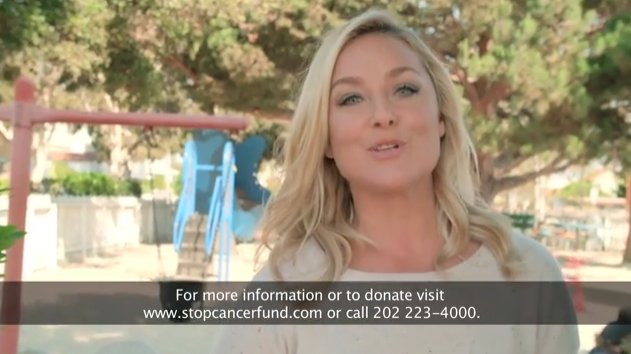
Actress Elisabeth Rohm Urges You to Give Back and Join the Fight Against Cancer!

We are are proud to share our new public service announcement (PSA) featuring a devoted mother and talented actress, Elisabeth Rohm.

Click here to watch!


cyb6cm5xaaan6ei-jpg-large

You’ve seen Elisabeth in Law & Order, The Last Ship, and with Jennifer Lawrence in Joy and American Hustle. And she has just joined the cast of CW’s Jane the Virgin.  We hope you will join Elisabeth Rohm by supporting The Cancer Prevention and Treatment Fund with a donation today.

We need your support now more than ever because of the very real threats from Congress. They want to reverse the ban on cancer-causing chemicals in our air, water, and our homes and neighborhoods.  And they are trying to lower safety standards on cancer medications.

Your donation makes a difference, because 98 cents of every dollar goes directly to programs and services, making us one of America’s Best Charities. The Cancer Prevention and Treatment Fund thanks you for your support on Giving Tuesday, and will continue to work tirelessly in the fight against cancer.

Thank you in advance for considering us worthy of your support!