All posts by CPTFeditor

Morcellator Cancer Reports Drop, Essure Reports Rise

Michelle Llamas, Drugwatch: June 20, 2017

Adverse events data collected from the U.S. Food and Drug Administration shows that reports of cancer linked to power morcellators are down while reports of injuries from Essure Permanent birth control are up in 2017.

Power morcellators are drill-like devices used to cut tissue into smaller pieces during gynecological surgeries. They have been on the market since the 90s, but it wasn’t until 2014 that the FDA warned about the risk of upstaging cancer. […]

“The decline in morcellator reports doesn’t mean women should be any less cautious,” [data analyst Madris] Tomes told Drugwatch. “Patients still need to ask questions.” […]

Essure Adverse Events on the Rise

While the number of morcellator cancer reports is decreasing, reports of injuries linked to Bayer’s Essure Permanent Birth Control device are on the rise.

Doctors implant Essure metal coils into each fallopian tube. After about three months, scar tissue builds up and prevents pregnancy. But since the device hit the market in 2002, the FDA received thousands of adverse events. […]

Data Reporting Problems at the FDA

There are several reasons why warnings about Essure and morcellators didn’t reach the public sooner.

One of the biggest issues is how the FDA receives and reports data on medical device adverse events. In fact, the FDA admitted it didn’t have the current data on the device at a 2016 meeting to discuss Essure device safety, according to Tomes.

In 2016, the FDA reported five deaths linked to Essure. Tomes did an independent data review and found more than 300 fetal deaths and more than 10,500 adverse events.

It highlighted a big problem with how the FDA managed injury reports. It also called into question how reliable the agency’s reports are. […]

To complicate matters, device manufacturers may also be holding back information. […]

Advocacy Remains a Key Force in Reducing Adverse Events

Madris Tomes attributes a number of factors to the decline in morcellator reports, including refusal of insurance companies to pay for morcellator surgeries, hospitals banning the device and FDA safety communications.

But the personal stories and convictions of women affected by these devices led to the most action. […]

Legislation Aimed at Making Devices Safer, Preserving Legal Rights

Because of women and their families who spoke out about morcellators and Essure, the issue of medical-device safety has reached Congress. Now, a number of bills aimed at improving safety are pending in Congress. […]

The Medical Device Safety Act seeks to remove this protection and allow patients to file lawsuits against manufacturers.

The bill has the support of consumer advocacy groups, including Consumers Union (the policy arm of Consumer Reports) and The National Center for Health Research (NCHR).

“If a patient dies from the use of a PMA-approved medical device, there is no accountability for that person’s surviving family,” Lisa McGiffert, director of Safe Patient Project, and Diana Zuckerman, president of NCHR, wrote in a letter to the Committee on Energy and Commerce. “H.R. 2164 merely allows states to determine how best to protect patients from unsafe medical devices, just as the law allows states to protect patients from unsafe prescription drugs.” […]

The journey has been emotionally moving for Amanda Rusmisell and her fellow advocates at Essure Problems. Even today, speaking about it brings her to tears.

“I’ve seen women from all backgrounds whose lives were ruined by Essure,” she said. “But I’ve had the opportunity to see women helping women. We’ve come together to form a grassroots organization, and we made it to Congress.”

Read the original article here.

It’s Not Safe in Soap, But You Touch It Everyday

Emma Court, Marketwatch: June 21, 2017

Back in fall of 2016, the Food and Drug Administration put out an important new rule telling companies they had to remove certain chemicals from their antibacterial soaps, or else not market them at all.

Two of the most common anti-bacterial chemicals, triclosan and triclocarban, are usually found in both liquid soaps and bar soaps, the FDA noted then.

But what the regulator didn’t say is just how many other places those chemicals can be found, everywhere from clothing to body products, household items, playgrounds, exercise equipment and more.

More than 200 scientists and medical professionals from around the world have signed on to a statement warning about the chemicals could have harmful effects on humans and the environment. […]

But there’s evidence that these antibacterial chemicals have no major health benefits for consumers, the Tuesday statement said, referring to epidemiological studies and a 2003 Centers for Disease Control and Prevention advisory committee report.

But they’ve been linked to increasing allergen sensitivity and disruptions to hormones, the endocrine system and possibly the reproductive system, the statement said, though some of the evidence is from animal studies and may not transfer over to humans.

Because of their possible role in hormone disruption, these chemicals may be especially harmful for pregnant women and children.

Animal studies have also suggested triclosans could have an effect on the microbiome, which includes gut bacteria, according to the statement. […]

The September FDA decision “means a lot” and speaks to the potential harms of these chemicals, said Diana Zuckerman, president of the nonprofit National Center for Health Research.

The regulator wouldn’t have changed its mind if the data were ambiguous, she said.

“What’s really clear is that for a lot of uses, the risks outweigh the benefits,” she said. “And the risks outweigh the benefits to the individual, but also the environment.”

Read the original article here.

Testimony at the FDA Pediatric Oncology Subcommittee of the Oncologic Drugs Advisory Committee Meeting

Megan Polanin, National Center for Health Research: June 21, 2017

Thank you for the opportunity to speak today. My name is Dr. Megan Polanin. I am a Senior Fellow at the National Center for Health Research, and I previously trained at Johns Hopkins University School of Medicine. Our research center analyzes scientific and medical data and provides objective health information to patients, providers, and policymakers. We do not accept funding from pharmaceutical companies, and therefore I have no conflicts of interest.

We realize that the goal of all five of the drugs discussed during this meeting are for treating rare pediatric cancers and that these patients desperately need new treatments. In some recent approval decisions, the FDA has been criticized for approving treatments for rare diseases based on inadequate data and wishful thinking. As a result, most insurance companies were not willing to pay for those approved drugs. Instead of getting free drugs in clinical trials, those patients are left with no affordable options. So, it is essential that the studies conducted are designed to be able to prove whether or not any of these 5 drugs have benefits that outweigh the risks.

We strongly support FDA Advisory Committee meetings like this one to garner input from experts on how best to design and conduct clinical trials for pediatric patients. This committee has been and will continue to be thorough in asking specific questions of the drug sponsors on their trial design while also offering helpful critiques and suggestions when needed.

Despite the challenge of studying these drugs for extraordinarily rare populations of patients, it is critical to uphold the scientific integrity of the proposed trials. For example, when possible, researchers should use randomized or well-matched control group/comparison samples for new drugs because it is the most methodologically sound design in order to demonstrate whether a drug is safe and effective. When a proper control group is not available, researchers should observe a robust single agent response rate in order to support a drug’s efficacy.

By law, FDA decisions are NOT based on cost, but you know that the cost of these drugs can be a huge issue for children and their families. In the last year, two drugs used to manage — not to cure — rare diseases were priced at $300,000 and $750,000 per patient, per year. As I noted, insurance companies are making sure these drugs are proven to work before they are willing to pay for them. You can help the FDA make sure that the evidence is clear.

When analyzing the proposed clinical trials, we urge this committee to keep in mind the possible pitfalls associated with using biomarkers and surrogate endpoints in lieu of outcomes that are most meaningful for patients such as overall survival and quality of life. A study published in JAMA found that only 14% of cancer drugs approved using surrogate endpoints were later determined to improve patients’ overall survival. Our Center found that only one of these drugs was proven to improve quality of life, and yet all were still on the market — costing an average of almost $100,000 per year. Let’s make sure that cancer drugs for children are proven to provide meaningful improvement in patients’ health or quality of life, if not both.

Additionally, there are clearly subpopulations of patients who respond better to treatment than others. We encourage the sponsors to further characterize the positive responders in order to target the population of patients who are most likely to benefit and least likely to be harmed by adverse events from their treatment.

Drug efficacy is a complex issue for children with chronic and/or rare diseases like the cancers discussed here. We commend the FDA and this committee for providing an open discussion focused on the best ways to test these five new drugs in pediatric populations. This marks a positive effort to help ensure that drugs are safe and effective for everyone for whom they are prescribed, particularly when the cost of these drugs can be so high.

Thank you for the opportunity to express our views.

Why Are So Many American Women Having Mastectomies?

Diana Zuckerman, PhD, and Megan Polanin, PhD, National Center for Health Research, Our Bodies Ourselves: June 15, 2017

When Angelina Jolie publicly announced her double mastectomy four years ago, she was praised for possibly saving many women’s lives. But we know more today than we did then and experts now agree that too many women are undergoing unnecessary mastectomies – even some women with the “breast cancer genes.”  You’ll be surprised by what we’ve learned.

A 2007 review of 10 studies found that the risk of getting breast cancer for an average woman with BRCA1 is 57%. The risk is 49% for a woman with BRCA2. Although frightening, this is far from the inevitable breast cancer diagnosis that many women expect. And, keep in mind that the lifetime risk of breast cancer is very different from the risk of getting breast cancer in the next 10 years or even 20 years. According to experts, a 40-year-old woman with the BRCA1 gene has a 14% chance of getting breast cancer before she turns 50. We’re willing to bet that is a much lower risk than most women assume. With regular screening and all the progress in breast cancer treatments, the survival rate from breast cancer is higher than ever. Many breast cancer patients live long and healthy lives.

Most women are diagnosed with breast cancer at early stages, making it safe to undergo a lumpectomy (which removes just the cancer) rather than a mastectomy (which removes the entire breast). Yet American women are undergoing mastectomies at a higher rate than women in other countries, including prophylactic mastectomies. Breast cancer experts believe that many women undergoing mastectomies do not need them and are getting them out of fear, not because of the actual risks.

For many years, experts have known that women who undergo mastectomies for the non-invasive condition called ductal carcinoma in situ (DCIS) or for early-stage breast cancer do not live longer than women undergoing lumpectomies. However, the latest research goes a step further:  A 2016 study of more than 37,000 women with early-stage breast cancer found that the women undergoing lumpectomies were more likely to be alive 10 years later than women with the same diagnosis who underwent a single or bilateral (double) mastectomy. They were also less likely to have died of breast cancer. In 2016, Harvard cancer surgeon Dr. Mehra Golshan reported that of almost half a million women with breast cancer in one breast, those undergoing double mastectomies did not live longer than women undergoing a mastectomy in only one breast. These are just the latest studies – for more information about the years of consistent evidence that less radical surgery is better, see this article.

And yet, an increasing number of U.S. women with early-stage breast cancer are choosing to have both their breasts removed “just to be safe.” A 2015 study conducted by researchers at Vanderbilt University reported that, for women diagnosed with early-stage breast cancer in one breast, the rates of double mastectomy increased from 2% to 11% from 1998 to 2011. Researchers found that decisions to have a double mastectomy increased more for two groups of women: 1) Women with ductal carcinoma in situ (DCIS) where there are abnormal cells inside a milk duct in the breast that won’t spread and aren’t dangerous unless breast cancer develops later; and 2) Women with cancer only in one breast that has not spread to the lymph nodes. This year, researchers from Emory University reported that the percentage of women over 45 getting double mastectomies for early-stage breast cancer in one breast increased from 4% to 10% in less than a decade. For women ages 20-44, the percentage tripled from 11% to 33%. To some extent, geography was destiny: in five Midwestern states (Nebraska, Missouri, Colorado, Iowa, and South Dakota), 42% of the women who got surgery had a double mastectomy.

The bottom line is that women with DCIS or early-stage breast cancer have more effective and less radical treatment options than mastectomy. Even women with BRCA1 or BRCA2 may never develop breast cancer, and if they do, they may not need a mastectomy. We need to stop thinking of mastectomy as the “brave” choice and understand that the risks and benefits of mastectomy are different for every woman with cancer or the risk of cancer. In breast cancer, any reasonable treatment choice is the brave choice.

So, the good news for women newly diagnosed with cancer is that mastectomies are not the best choice for most women if they want to live longer. Women should be aware of treatment choices for breast cancer and encouraged to make decisions based on their own unique situations. For each woman, it is important to weigh her own risk of cancer — in the next few years, and not just over her lifetime – and the risks of various treatments. Each woman should make the decision that is best for her, based on information, not on fear.

See the original blog post here

Public Comments at the FDA’s Safe Use Symposium: A Focus on Outpatient Preventable Adverse Drug Effects

Megan Polanin, PhD, National Center for Health Research: June 15, 2017

Thank you to the FDA and the Safe Use Team for hosting this meeting and for the opportunity to share our perspective. I’m Dr. Megan Polanin, and I am a Senior Fellow at the National Center for Health Research.

Our focus is patient-centered comparative effectiveness research. With support from PCORI (the Patient-Centered Outcomes Research Institute), we’ve trained about 120 patient advocates to understand the value as well as the limitations of clinical trials.

Some of the patients we’ve trained are desperate for new cures, and others have been harmed by medical products and believe that the FDA needs to require better evidence of safety before approving new drugs or devices.

But the one thing they all agree on is that patients aren’t really getting informed consent about the drugs they are taking. Most doctors aren’t talking to most patients about potential side effects, or even about how good the evidence is that the treatment will work. Most patients blindly fill prescriptions because they assume that the drugs are proven safe and effective for patients just like them.

A big problem is that doctors rarely tell patients if their prescriptions are off-label. Most patients who are prescribed a drug off-label don’t realize that the drug they are prescribed has not been approved for the particular indication they need. Research shows that off-label uses are often ineffective and have more adverse side effects than on label use. Patients deserve to know if a doctor recommends a use that hasn’t been proven to have benefits that outweigh the risks.

Reducing the chances of adverse drug events requires a discussion between the doctor and patient about any evidence that the drug really will do more harm than good.  Unfortunately, doctors often have limited information – most of which they got from drug reps, not from the FDA. Drug labels have gotten so long that most doctors and patients don’t read them. I ask you: Why include the chemical composition of the drug on those labels? Why not focus on the risks and benefits in simple language instead?

And, as we all know, many doctors don’t have a lot of time to discuss these kinds of issues with their patients, and many doctors are not skilled in having these kinds of conversations.

In addition, FDA rarely provides information to patients or doctors about adverse events for specific major demographic groups, such as women, men, people of color, or for older patients. Having that information clearly on the label would help reduce adverse drug effects.

Doctors and patients should be clearly told when a drug is approved on the basis of biomarkers, and whether there are other drugs for the same indication that are proven to improve survival or clinically meaningful health measures, such as fewer heart attacks or better quality of life.

Bottom line: An important way for the FDA to help prevent adverse drug events is to make sure that patients know in advance what kind of choices they have for prescription drugs, and which ones are likely to be safer for them as women, people of color, patients over 65, and people with a particular illness. Patients deserve to know this information before filling their prescription.

Are Mastectomies Necessary for Women with BRCA1 or BRCA2? What About for Women Without the Breast Cancer Gene?

Diana Zuckerman, PhD, and Megan Polanin, PhD, Cancer Prevention & Treatment Fund

When Angelina Jolie publicly announced her double mastectomy in 2013, she was praised for possibly saving many women’s lives. But we know more today than we did then and experts now agree that too many women are undergoing unnecessary mastectomies. Here are the facts.

A review of 10 studies found that the risk of getting breast cancer for an average woman with BRCA1 is 57%. The risk is 49% for a woman with BRCA2.[1] Keep in mind that for younger women, the lifetime risk of breast cancer is very different from the risk of getting breast cancer in the next 10 years or even 20 years. According to experts, a 40-year-old woman with the BRCA1 gene has a 14% chance of getting breast cancer before she turns 50.[2] That is not nearly as frightening, and with regular screening and all the progress in breast cancer treatments, the survival rate from breast cancer is higher than ever. Many breast cancer patients live long and healthy lives.

Most women are diagnosed with breast cancer at early stages, making it safe to undergo a lumpectomy (which removes just the cancer) rather than a mastectomy (which removes the entire breast). Yet American women are undergoing prophylactic mastectomies at a higher rate than women in other countries — many of them medically unnecessary.[3] Breast cancer experts believe that many women undergoing mastectomies do not need them and are getting them out of fear, not because of the actual risks.

In recent years, we have seen an increase in women with early-stage breast cancer choosing to get a double mastectomy. For example, a 2015 study conducted by researchers at Vanderbilt University reported that, for women diagnosed with early-stage breast cancer in one breast, the rates of double mastectomy increased from 2% to 11% from 1998 to 2011.[4] Researchers found that decisions to have a double mastectomy increased more for two groups of women: 1) Women with ductal carcinoma in situ (DCIS) where there are abnormal cells inside a milk duct in the breast that won’t spread and aren’t dangerous and 2) Women with cancer only in the breast that has not spread to the lymph nodes.

This year, researchers from Emory University and colleagues published a study focused on women diagnosed with early-state breast cancer in one breast.[5] They found that, from 2004 to 2012, the percentage of these women 45 years or older who got double mastectomies more than doubled from 4% to 10%. For women ages 20-44, the percentage tripled from 11% to 33%. Researchers found that it mattered where women lived in the United States. For example, in five Midwestern states (Nebraska, Missouri, Colorado, Iowa, and South Dakota), 42% of the women who got surgery decided to get a double mastectomy.

For many years, experts have known that women who undergo lumpectomies for a non-invasive condition called ductal carcinoma in situ (DCIS) or for early-stage breast cancer live just as long as women undergoing mastectomies. However, the latest research goes a step further: a study conducted in the Netherlands of more than 37,000 women with early-stage breast cancer found that the women undergoing lumpectomies were more likely to be alive 10 years later than women with the same diagnosis who underwent a single or double mastectomy.[7] They were also less likely to have died of breast cancer.

In 2016, Harvard cancer surgeon Dr. Mehra Golshan published a study of almost half a million women with breast cancer in one breast. She reported that those undergoing double mastectomies did not live longer than women undergoing a mastectomy in only one breast.[6]

These are just the most recent studies. For more information about the many studies that show the benefits of less radical surgery, see this article.

The bottom line is that women with DCIS or early-stage breast cancer have more effective and less radical treatment options than mastectomy. We need to stop thinking of mastectomy as the “brave” choice and understand that the risks and benefits of mastectomy are different for every woman with cancer or the risk of cancer. In breast cancer, any reasonable treatment choice is the brave choice.

The research clearly shows that mastectomies are not the best choice for most women if they want to live longer. Women should be aware of treatment choices for breast cancer and encouraged to make decisions based on their own unique situations. For each woman, it is important to weigh her own risk of cancer — in the next few years, and not just over her lifetime – and the risks of various treatments. Each woman should make the decision that is best for her, based on the facts, not on fear.

All articles are reviewed and approved by Dr. Diana Zuckerman and other senior staff. 

References

  1. Chen, S., & Parmigiani, G. (2007). Meta-analysis of BRCA1 and BRCA2 penetrance. Journal of Clinical Oncology, 25(11), 1329-1333.
  2. Chen, S., Iversen, E. S., Friebel, T., Finkelstein, D., Weber, B. L., Eisen, A., … & Corio, C. (2006). Characterization of BRCA1 and BRCA2 mutations in a large United States sample. Journal of Clinical Oncology, 24(6), 863-871.
  3. Metcalfe, K. A., Birenbaum‐Carmeli, D., Lubinski, J., Gronwald, J., Lynch, H., Moller, P., … & Kim‐Sing, C. (2008). International variation in rates of uptake of preventive options in BRCA1 and BRCA2 mutation carriers. International journal of cancer, 122(9), 2017-2022.
  4. Kummerow, K. L., Du, L., Penson, D. F., Shyr, Y., & Hooks, M. A. (2015). Nationwide trends in mastectomy for early-stage breast cancer. JAMA surgery, 150(1), 9-16.
  5. Nash, R., Goodman, M., Lin, C. C., Freedman, R. A., Dominici, L. S., Ward, K., & Jemal, A. (2017). State variation in the receipt of a contralateral prophylactic mastectomy among women who received a diagnosis of invasive unilateral early-stage breast cancer in the United States, 2004-2012. JAMA surgery.
  6. Wong, S. M., Freedman, R. A., Sagara, Y., Aydogan, F., Barry, W. T., & Golshan, M. (2017). Growing use of contralateral prophylactic mastectomy despite no improvement in long-term survival for invasive breast cancer. Annals of surgery, 265(3), 581-589.
  7. van Maaren, M. C., de Munck, L., de Bock, G. H., Jobsen, J. J., van Dalen, T., Linn, S. C., … & Siesling, S. (2016). 10 year survival after breast-conserving surgery plus radiotherapy compared with mastectomy in early breast cancer in the Netherlands: a population-based study. The Lancet Oncology, 17(8), 1158-1170.
  8. Hwang, E. S., Lichtensztajn, D. Y., Gomez, S. L., Fowble, B., & Clarke, C. A. (2013). Survival after lumpectomy and mastectomy for early stage invasive breast cancer. Cancer, 119(7), 1402-1411.
  9. Kurian, A. W., Lichtensztajn, D. Y., Keegan, T. H., Nelson, D. O., Clarke, C. A., & Gomez, S. L. (2014). Use of and mortality after bilateral mastectomy compared with other surgical treatments for breast cancer in California, 1998-2011. JAMA, 312(9), 902-914.

Are Women Who Work Night Shifts at a Higher Risk for Developing Breast Cancer?


Night shift work may seem like an odd thing to link to breast cancer. Nevertheless, scientists found that women who work night shifts for many years are more likely to get breast cancer than other women. This includes nurses and flight attendants who work overnight. The International Agency for Research on Cancer, which is a part of the World Health Organization, reported that shift work is a likely risk factor for certain cancers, just as diet can increase or decrease the risks. Researchers found that night shift work links to breast cancer because it can change a person’s sleep-wake cycle. This has a lot to do with artificial light.[1]

What does the research say about the link between night shift work and breast cancer?

Researchers have studied this question in different ways and have come to different conclusions. This can be confusing. One way researchers can help make sense of different conclusions is to combine multiple studies into a larger combination study. Six groups of researchers in the past decade have used these larger studies to ask if night shift work affects breast cancer risk. Five of these studies found that the risk of breast cancer increased by between 5% and 20%.

The number of years a woman has worked night shifts also seems to matter. One team found that a woman’s risk for breast cancer increased 3% for every 5 years that she worked night shifts and 13% for every 500 night shifts worked.[2] Johns Hopkins University researchers found that women who “regularly” worked night shifts increased their risk for developing breast cancer by 20% compared with women who did not.[3] A third group found that women who worked night shifts for fewer than 5 years had a 2% increase in  risk. However, those that worked night shifts for over 20 years had a 9% increase in risk.[4]

One of the larger studies, done in 2016 by a University of Oxford research team,  made the news because they did not find a link between night shift work and breast cancer risk.[5] However, experts on this topic quickly criticized this study for the way it was designed[6]  For example, the Oxford researchers used studies that only followed women for 2 to 4 years. This is much shorter than the previous studies that found a link between breast cancer and shift work. Following women for only 2 to 4 years is not enough time to see if women’s risk of breast cancer risk will change.

Another major problem with the Oxford study had to do with confusing survey responses measuring how often a woman worked night shifts. This was a significant flaw in the study.

What does this increased risk mean?

The average woman has a 1 in 8 chance, or 12.4% chance, of getting breast cancer at some point during her life.[7] In addition, a woman’s risk of developing breast cancer increases as she ages. Working night shifts for a long time increases risk by between 5% and 20% of a woman’s current risk.  So, for a woman working night shifts, her risk would increase to about 13%-14%. This is a small increase in risk for the average woman. However, any increased risk is of concern for women that have other risk factors for breast cancer, such as a family history of breast cancer or mutations of the BRCA1 or BRCA2 genes (often called the “breast cancer genes”).

Why is night shift work linked to breast cancer?

Night shift work can change a person’s regular sleep-wake cycle. Our sleep-wake cycle is a roughly 24-hour rhythm that tells us when we are alert or sleepy.[8] Humans are naturally active during the day and sleepy at night. However, women who work night shifts reverse this pattern. When a woman is working night shifts, she might use external signals, like artificial light or caffeine, to help tell her body to stay awake. The problem is that her body still sends internal signals that it is time for sleep. These different signals disrupt her natural sleep-wake cycle.

Hormones and other bodily activities do not change to match the woman’s work schedule either. Some of these hormones affect tumors, so this can allow tumors to grow.[9]  One example is the melatonin that our bodies make at night to help us sleep.[8] Melatonin helps to prevent tumor growth.[9] A woman who works in artificial light at night makes less melatonin. Another example is glucocorticoids, which our bodies make when we are stressed. People who work night shifts have higher levels of glucocorticoids that help tumors survive.

Why is this important?

Breast cancer is the most common form of cancer in women.[10] We know that 1 in 8 U.S. women will develop invasive breast cancer over the course of her lifetime. In this next year, 255,000 women in the U.S. will be diagnosed with invasive breast cancer. Another 63,410 will be diagnosed with ductal carcinoma in situ, a non-invasive condition when abnormal cells develop in the milk ducts in the breast).[11]  The number of people that work on night shifts full-time is increasing. In 2004, there were 15 million Americans.[12] This is concerning for women who work night shifts over a long period of time because they may be at an increased risk for developing breast cancer.

All articles are reviewed and approved by Dr. Diana Zuckerman and other senior staff.

References

  1. International Agency for Research on Cancer (IARC). (2007). IARC monographs on the evaluation of carcinogenic risks to humans. Volume 98. Shift-work, painting and fire-fighting. Lyon: International Agency for Research on Cancer.
  2. Wang, F., Yeung, K. L., Chan, W. C., Kwok, C. C., Leung, S. L., Wu, C., Chan, E. Y. Y., Yu, I. T. S., Yang, X. R., & Tse, L. A. (2013). A meta-analysis on dose-response relationship between night shift work and the risk of breast cancer. Annals of Oncology, 24(11), 2724-2732. doi:10.1093/annonc/mdt283.
  3. Kamdar, B. B., Tergas, A. I., Mateen, F. J., Bhayani, N. H., & Oh, J. (2013). Night-shift work and risk of breast cancer: a systematic review and meta-analysis. Breast Cancer Research and Treatment, 138(1), 291-301. doi:10.1007/s10549-013-2433-1.
  4. Lin, X., Chen, W., Wei, F., Ying, M., Wei, W., & Xie, X. (2015). Night-shift work increases morbidity of breast cancer and all-cause mortality: a meta-analysis of 16 prospective cohort studies. Sleep Medicine, 16(11), 1381-1387. doi:10.1016/j.sleep.2015.02.543.
  5. Travis, R. C., Balkwill, A., Fensom, G. K., Appleby, P. N., Reeves, G. K., Wang, X., Roddam, A. W., Gathani, T., Peto, R., Green, J., Key, T. J., & Beral, V. (2016). Night Shift Work and Breast Cancer Incidence: Three Prospective Studies and Meta-analysis of Published Studies. Journal of the National Cancer Institute, 108(12). doi:10.1093/jnci/djw169.
  6. Hazards Magazine special online report. (2016, December). Cancer all-clear for night work based on ‘bad science’, warn scientists. Retrieved from http://www.hazards.org/cancer/graveyardshift.htm.
  7. National Cancer Institute at the National Institute for Health (NIH). (2012). Breast Cancer Risk in American Women. Retrieved from https://www.cancer.gov/types/breast/risk-fact-sheet.
  8. National Institute of General Medical Sciences at the National Institute of Health (NIH). Circadian Rhythms Fact Sheet. (2012, November). Retrieved from https://www.nigms.nih.gov/Education/Pages/Factsheet_CircadianRhythms.aspx.
  9. Ball, L. J., Palesh, O., & Kriegsfeld, L. J. (2016). The Pathophysiologic Role of Disrupted Circadian and Neuroendocrine Rhythms in Breast Carcinogenesis. Endocrine Reviews, 37(5), 450-466.
  10. World Health Organization (WHO). (2017). Breast cancer: prevention and control. Retrieved from http://www.who.int/cancer/detection/breastcancer/en/index1.html.
  11. org. (2017, January 10). U.S. Breast Cancer Statistics. Retrieved from http://www.breastcancer.org/symptoms/understand_bc/statistics.
  12. The National Institute for Occupational Safety and Health (NIOSH) at the Centers for Disease Control and Prevention (CDC). (2016, June 21). Work Schedules: Shift Work and Long Hours. Retrieved from https://www.cdc.gov/niosh/topics/workschedules/.

Misplaced Trust: Why FDA Approval Doesn’t Guarantee Drug Safety

Michelle Llamas, Drugwatch: May 8, 2017

When 37-year-old Timothy “Woody” Witczak’s doctor gave him a few Zoloft (sertraline) samples to help him sleep in 2003, neither he nor his wife, Kim, was alarmed

“Woody and I never once questioned the drug. Why would we? Zoloft is FDA-approved, given to him by his doctor, and advertised and sold as safe and effective,” Kim told Drugwatch […]

Five weeks later, Woody — a happily married, energetic, compassionate and cheerful man with a successful career — was dead. He had hung himself in the garage […]

The family discovered Zoloft, an FDA-approved antidepressant, led to Woody’s tragic death.

Unfortunately, what Woody’s family didn’t know is the FDA’s approval process may favor drug companies over consumers — and FDA-approval does not guarantee safety. In fact, Big Pharma actually pays for the majority of drug safety reviews, provides the FDA with safety data for the review and has the option to have drugs approved faster with fewer clinical trials […]

“FDA approval is based on evidence — provided by the company that makes the medical product — that the benefits of the product outweigh the risks for most patients for a specific use. It doesn’t necessarily mean the product is safe.” – DIANA ZUCKERMAN, PRESIDENT, NATIONAL CENTER FOR HEALTH RESEARCH

Each year, more than 2 million Americans suffer serious adverse reactions from FDA-approved drugs like Zoloft. Each year, severe side effects kill roughly 1 in 20 people who experience them

Each year, severe side effects kill roughly 1 in 20 people who experience them.

While taxpayers still provide about one third of the FDA’s funding, the agency receives the majority of its drug-review funding from Big Pharma — the very industry it should be regulating. It’s a little-known fact to most Americans, and it raises red flags for a number of consumer groups.

“Taxpayers are also paying for agency [funding], but we’re not treated as the customers — the companies are,” Zuckerman said.

Under the Prescription Drug Use Fee Act (PDUFA) of 1992, drug companies pay user fees to get drugs approved. Initially, Congress passed PDUFA to provide a budget to hire more medical scientists and researchers to deal with the drug application load.

Witczak stresses education. She says consumers should challenge their physicians and find out all they can about a drug. The FDA also needs more authority to compel recalls and police drug and device companies.

“It was too late for our family,” she said. “But if just one family is informed, then Woody’s life and death made a difference.”

Read the original article here


Amy Reed, MD, Morcellator Opponent, Dies of Uterine Cancer

Robert Lowes, Medscape: May 25, 2017

Amy Reed, MD, PhD, an anesthesiologist whose laparoscopic hysterectomy in October 2013 called into question the safety of power morcellation, died Wednesday, May 24, at 44 years of age from uterine cancer.

Dr Reed, a mother of six, underwent the hysterectomy at Brigham and Women’s Hospital in Boston, Massachusetts, to remove fibroid tumors. Power morcellation, intended to shred uterine tissue for removal through a laparoscopic incision, dispersed and upstaged an undiagnosed uterine leiomyosarcoma inside her abdomen.

While she battled through a series of surgeries and procedures, Dr Reed joined her husband, Hooman Noorchashm, MD, PhD, in a high-profile campaign to ban the use of the devices during gynecologic procedures and bolster oversight of all medical devices by the US Food and Drug Administration (FDA). The couple pressed for government investigations and legislation, coauthored articles, testified before the FDA, and shone a spotlight on women who had died after morcellation-upstaged occult uterine cancer. […]

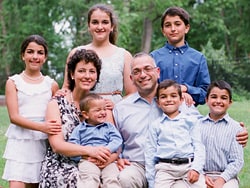
The Noorchashm family. (Source: Courtesy of Hooman Noorchashm, MD)

Diana Zuckerman, PhD, president of the National Center for Health Research, recalled the impression Dr Reed made when the think tank honored her and Dr Noorchashm at an awards luncheon in 2015.

“She spoke without apparent anger or bitterness about what happened to her, which amazed me,” Dr Zuckerman told Medscape Medical News. “I can’t tell you what an impressive, gracious, wonderful woman she (was).”

Determined to Beat the Odds

Dr Reed earned a PhD in immunology at the University of Pennsylvania and then an MD in 2005 from the institution’s Perelman School of Medicine. She followed up with a postdoctoral fellowship in transplant immunology before completing her residency training in anesthesiology and a critical care fellowship at the Hospital of the University of Pennsylvania.

In 2011, Dr Reed joined the Department of Anesthesia, Critical Care and Pain Medicine at Beth Israel Deaconess Medical Center in Boston. It was there that Dr Reed treated victims of the 2013 Boston Marathon bombing along with the surviving bomber, Dzhokhar Tsarnaev.

She married Dr Noorchashm in 2001 and had the first three of their six children by the time she finished medical school. Their togetherness extended to research. They were coauthors of five published studies on immunology — Dr Noorchashm holds a PhD in that field, too.

In October 2013, about a year after the birth of their sixth child, Dr Reed had a hysterectomy to remove bothersome, but supposedly benign, uterine fibroids. She and Dr Noorchashm say her doctors recommended a laparoscopic as opposed to an open-field operation, but did not mention the use of a power morcellator.

Shortly after the operation, Dr Reed learned that she had a uterine leiomyosarcoma and that morcellation had advanced it to stage IV. She underwent cytoreduction and hypothermic intraperiotoneal chemotherapy followed by six rounds of systemic chemotherapy. MRI and CT scans indicated she was cancer free.

She and her family moved from Needham, Massachusetts, to Yardley, Pennsylvania, and by the end of 2014, she had recovered well enough to start working part time at the Hospital of the University of Pennsylvania. However, the leiomyosarcoma still lurked in her body, requiring a surgery to remove a tumor behind her left kidney in February 2015, with radiation treatment afterwards. More metastasis and more procedures, some experimental, followed.

“We all knew the odds were against her,” said Dr Zuckerman, “but Hooman and Amy were both determined to beat the odds. They made it seem possible.”

The end almost came in April when Dr Reed went into pulseless electrical activity cardiac arrest. As Dr Noorchashm described it in an email to media outlets, an inoperable abdominal tumor of hers bled internally and enlarged, pressing against the vena cava and cutting off blood return to the heart. Dr Reed’s heart recovered after the tumor ruptured.

Dr Reed remained hospitalized until May 19, when she was discharged to go home and receive hospice care, Dr Noorchashm said in an email announcement that resembled a eulogy.

He wrote that what mattered to Dr Reed more than dying “is how we live, what we choose to think about, learn and do, the magnitude of our commitments and focus, who our friends are and what mandates of ethics and integrity guide us…in this life.

“Those are the principles by which Amy has lived a life of passion, accomplishment and love for all those she’s touched.”

In an interview with Medscape Medical News in 2015, Dr Reed described how she dealt with her children’s anxiety about her health.

“They ask you questions like, ‘Are you going to die?’ ” Dr Reed said. “I say, ‘Well, everybody dies. I feel okay today.’

“They say, ‘Is the cancer going to come back?’ I say, ‘I hope not. If it does, we’ll deal with it.’

“You don’t go down all those horrible, what-if pathways with the kids. And I don’t think we should do that as adults.

“Look at what’s in front of you today.”

NCHR honored Dr. Amy Reed with a Health Policy Hero award in 2015″ see the pictures here

Read the original article here

Comments to FDA About Neratinib to Prevent Breast Cancer Reccurance

Stephanie Fox-Rawlings, PhD, National Center for Health Research: May 24, 2017

Thank you for the opportunity to speak today. My name is Dr. Stephanie Fox-Rawlings. I am a Senior Fellow at the National Center for Health Research. Our research center analyzes scientific and medical data to provide objective health information to patients, providers and policy makers. We do not accept funding from drug or device companies so I have no conflicts of interest.

The pivotal study that is the basis of today’s review only demonstrated a small improvement in the primary efficacy endpoint. After 2 years, about 2.3% more patients were without invasive disease if they took the drug compared to placebo. This difference was statistically significant, likely because the large number of patients in the study. However, such a small difference could be specific to this particular sample of patients and trial and might not be generalizable for all women with early-stage breast cancer.  It is impossible to say, since after 2 years over 90% of patients were free of invasive disease whether they received the drug or placebo.

Patients followed for 5 years had a similar result – about 2.5% were more likely to be cancer-free, while almost 90% of patients taking placebo were also cancer-free.   There are no data yet on overall survival, so the results aren’t compelling.

This small difference should be considered in the context of adverse events that are typical of cancer drugs: diarrhea, nausea, vomiting, and fatigue were common. However, some were categorized as serious events. Adverse events were so unpleasant that they caused 28% of patients taking the drug to drop out of the study, compared to just 5% of patients taking placebo.

The sponsor also presented data from an ongoing, open-label, single armed study aimed to reduce adverse events due to diarrhea with prophylactic treatment. However, there were still a high occurrence of diarrhea, and the treatment for diarrhea caused a different set of adverse events.  

Patients should not be exposed to adverse events if the drug isn’t proven to provide a real improvement.   The 2.3% difference between 91.9% and 94.2% is not impressive.  And with only one pivotal study, there is no way to know if that result would be replicated in a second study.

A recent study published in JAMA Internal Medicine found that when FDA approved cancer drugs based on a surrogate endpoint, such as cancer-free survival, later studies have not found a benefit in overall survival.  And yet, these drugs cost an average of $100,000 – often more – and can harm quality of life.

We see that neratinib’s benefit compared to placebo is similar to that of a previously approved drug.  That does not mean that it should be approved. Patients do not benefit from more new drugs on the market unless the new drugs are more likely to have benefits that outweigh the risks.

The FDA should be sure that new treatments provide a real benefit to patients before they are approved.   We recommend that the FDA not approve neratinib for breast cancer unless a clear benefit can be replicated, or a benefit for overall survival is demonstrated.

The Cancer Prevention and Treatment Fund is the major program of the National Center for Health Research, and can be reached through Stephanie Fox-Rawlings at sfr@center4research.org.